


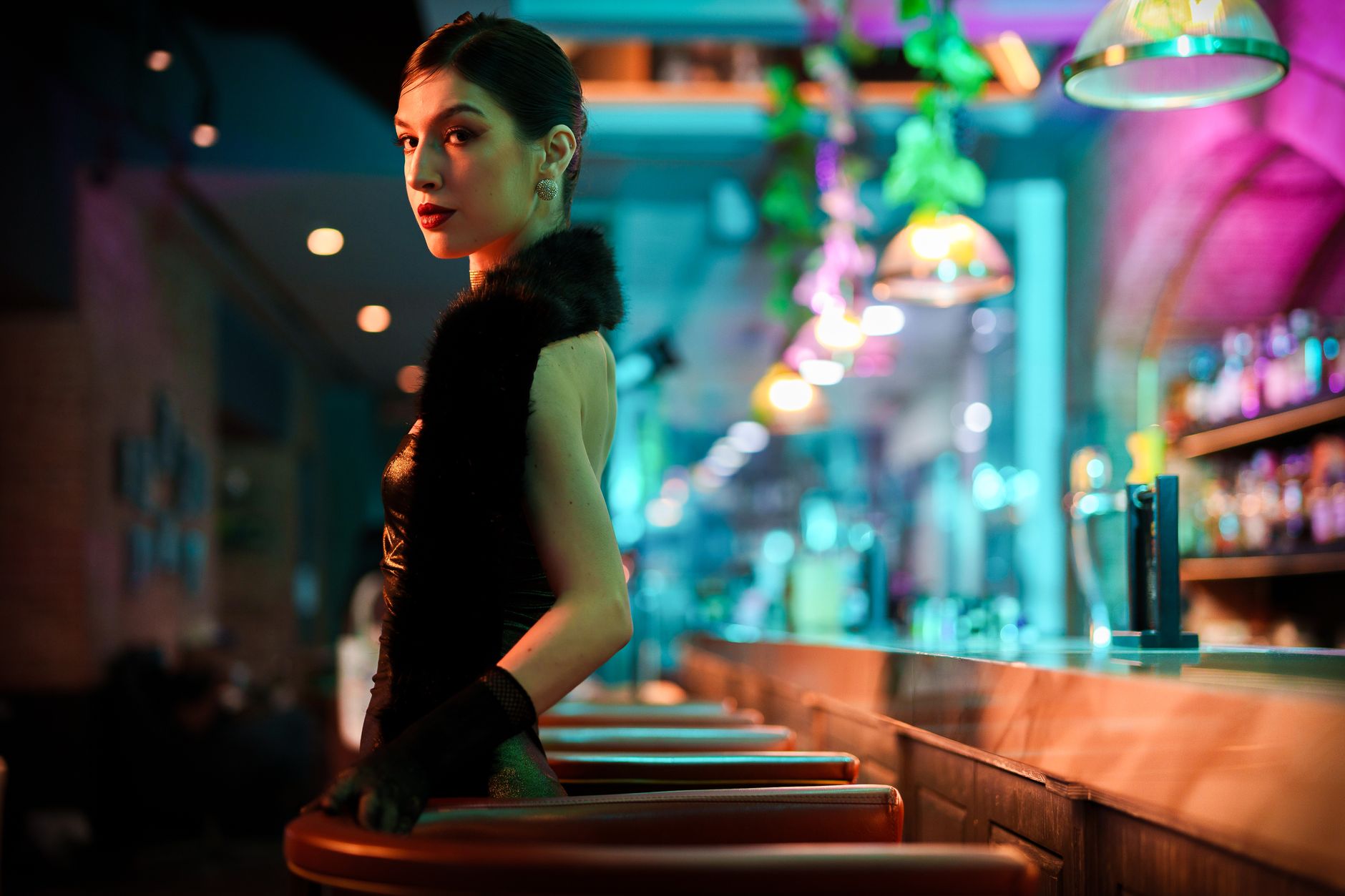
Website Design for Bars and Nightlife
Website Design for Bars and Nightclubs is the core of what Qeystone does for bars and nightlife businesses. Need bar and nightlife website design company? You're in the right place. Your venue deserves a website that works as hard as your staff on a Saturday night — driving table reservations, event RSVPs, and walk-ins before the doors even open. Our Bars & Nightlife website design turns first-time visitors into regulars from the moment they land on your page. From Bar and Nightlife Web Design to Best Websites for Bars and Nightclubs, we cover every angle.
Why Website Design for Bars Starts With Tonight's Plans
The one job a bar's site has to nail is turning a phone-in-hand question — where are we going out tonight — into a booked table, a bought event ticket, or a group that actually shows up at the door. Website design for bars is really demand capture at the moment a decision is being made, usually late in the day, usually on a phone, usually with friends waiting on an answer in a group chat. Nightlife runs on weekends, DJ nights, and game nights rather than a lunch rush, so every layout choice gets judged on whether it moves an undecided group toward your room instead of the place two blocks over.
What Website Design for Bars Has to Cover
A complete program spans a website redesign for a dated site that has stopped filling the room, landing pages built for a single event or a bottle-service push, conversion rate optimization that turns existing visitors into booked tables, mobile-first design because the crowd arrives one-handed on a phone, Core Web Vitals optimization so the drink list loads before an impatient group taps the next result, and a local business website foundation that ties hours, location, and the menu into one credible whole. Good website design for bars keeps the drink list as real HTML text rather than a flat PDF, so both search engines and screen readers can read it.
Treating the Drink and Cocktail List as Text, Not a PDF
A cocktail list trapped in a PDF or a photo is invisible to search, unreadable by a screen reader, and miserable to pinch-zoom in a dark bar. Rebuilding it as a digital cocktail menu in structured text lets someone hunting for a specific spirit, a natural-wine pour, or a zero-proof option actually find you, lets prices move in seconds instead of a redesign, and lets the same content feed schema that can surface signature drinks directly in a search result.
Putting Hours, the Map, and an Age Check Where They Belong
A group deciding right now needs three answers before anything else: are you open this late, where exactly are you, and is this a 21-and-up room. Late-night hours, an accurate map with a rideshare-friendly address, and a clear age gate belong at the top of the page, not buried under a hero video. A bar that makes a group hunt for whether the kitchen is still open or whether there is a cover has already handed that group to a competitor mid-scroll.
Building Event Pages That Sell the Night
Nightlife is event-driven, so a live event calendar — the DJ lineup, the game on the screens, the ticketed show, the trivia night — does more work than any static about page. Each event deserves its own page with the date, the door time, the cover or ticket link, and the lineup, because that page is what gets pasted into a group chat and shared to a story. An events section that only lists last month's flyers signals a dead room even when the bar is packed every Saturday.
Making Table Booking and Bottle Service One Tap Away
For a booth, a large group, or a big night out, the site's job is to make holding a table feel effortless. A bar reservation system embedded directly on the page — not linked out to a separate tab — keeps a high-spend group inside your funnel, and a dedicated bottle-service request that captures the party size and the VIP table minimum up front turns the highest-margin business you have into a lead instead of a missed call. Nightclubs live and die on those table minimums, and the booking flow is where that revenue is won or lost.
Leading With Real Photos of the Room at Its Best
Stock shots of anonymous cocktails convince nobody. Real photos of your actual bar, the crowd energy on a busy night, and the drinks as they are actually poured do more to move a wavering group than any adjective, and they set an honest expectation of the vibe someone is walking into. The photography is compressed and sized carefully so that this proof of atmosphere never becomes the reason a page stalls on a phone.
Designing for the Weekend Rush, Not the Tuesday Lull
A bar's demand is spiky — a slow Tuesday and a three-deep Saturday are the same business on different nights — and the site has to sell the peak while still converting the quiet visit. That means the weekend event, the reservation link, and the featured drinks lead the page, while recurring draws like happy hour and league nights stay easy to find for the regular who already knows what they want.
Building the Site Around Tab Average and Pour Cost, Not Just Clicks
Traffic that never becomes a booked table or a group at the door is not working, however sharp the site looks. A digital cocktail menu that leads with signature and higher-margin pours can nudge tab average upward the same way menu engineering does behind the bar, and the site is measured against reservations, event tickets, and check size rather than raw pageviews. On beverage-forward economics, where a well drink can run near an 80 percent gross margin, guiding the order is worth real money.
Keeping Every Page Fast on a Phone on Cellular
Most nightlife traffic is a phone user on cellular, often standing outside deciding between your door and the line down the street. An event page, a drink list, and a table-booking button all mean nothing if the page has not rendered by the time that group gives up and walks. Performance is treated as a conversion feature here, not a technical detail bolted on at the end, because in nightlife the decision window is measured in seconds.
Letting Staff Update the Drink List and Events Without a Developer
Cocktails rotate, kegs blow, DJs cancel, and holiday hours change, so the site is built so a manager can swap a featured pour, post next weekend's lineup, or adjust hours without calling a developer. A bar reservation system that a host can pause when the room is at capacity, and an events page anyone on staff can refresh, keep the site honest on the exact nights it matters most. A stale drink list or a wrong last-call time actively costs covers on your busiest hours.
Treating the Site as the Front Door, Not a Flyer
A bar's site is not a one-time flyer; it is the front door that takes reservations, sells event tickets, and answers the open-or-not question every hour you are pouring. Reviewed and refreshed on a regular cadence, it keeps earning its keep long after launch instead of sliding into the dated look that quietly sends a group to a newer-looking spot down the block.
Frequently Asked Questions
How long does a bar website project usually take?
A full redesign generally runs six to ten weeks depending on the size of the drink list and whether reservations and ticketing integrate, while a single event landing page can launch in a week or two.
Do we need online reservations if we are mostly walk-in?
Even a walk-in room benefits from taking booth and large-group bookings online, since those are the high-spend parties most likely to plan ahead and least likely to wait for a callback.
Related Reading
When a group lands on the site but leaves without booking, the fix usually lives in conversion rate optimization rather than a full rebuild, since a bar's problem is almost always the reservation step and not the traffic. A site whose drink list still lives in a PDF and whose events page predates online ticketing has usually earned a full redesign. Restaurants next door solve a close cousin of this problem, and their website design approach is worth a look for how a hospitality site turns a phone visit into a booked seat.
Built for the Bar Business

We Learn Your Venue's DNA
Every bar has a vibe — craft cocktails and dim lighting, rooftop energy, live music chaos. We dig into your brand, crowd, and goals so the site we build reflects your atmosphere and speaks directly to the guests you want walking through the door.

We Design Around Revenue
Using AI-powered website design for Bars & Nightlife, we build pages optimized for what actually makes you money — event promotion, bottle service inquiries, private booking requests, and menus that make people hungry before they arrive.

You Launch. You Get Booked.
We handle every technical detail so your new site goes live fast, loads fast, and converts fast. Integrated reservations, Google Maps visibility, mobile-first design — everything a packed house requires.
What Our Clients Actually See
3x
More event inquiries within 60 days of launch
68%
Increase in mobile reservation completions
2 Weeks
Average time from kickoff to a live, converting site
How We Grow Bars & Nightlife With Bar and Nightlife Website Design Company
Local Business Website
A fast, modern site built to win local customers.
Landing Page Design
Focused pages built to turn clicks into leads.
Conversion Rate Optimization
Turn more of your existing traffic into customers.
Website Redesign
Modernize an outdated site into a lead machine.
Mobile-First Design
Flawless on every phone, where most customers visit.
Ready to Make Your Venue Impossible to Ignore?
Let's build you a site that keeps the calendar full and the bar busy — book a free strategy call with Qeystone today.

Let's talk about your growth
Tell us about your business and we'll show you exactly where AI can win you more customers.