


Commercial HVAC Lead Generation That Sorts Outages From Contracts
Qeystone runs commercial HVAC lead generation as three intakes: equipment is down, a service agreement or replacement, or a project to bid. Outage calls answer what the building has lost and reach dispatch or the after-hours contact. Agreement and rooftop unit inquiries describe the building and who signs. Property managers and general contractors get tagged intake links that show who sent each job.
Commercial HVAC Lead Generation Starts With Who Is Calling
Commercial HVAC lead generation goes wrong when three very different requests reach the same Contact Us box. A restaurant manager whose rooftop unit quit an hour before the dinner rush, a property manager who wants pricing on a preventive maintenance agreement for four office buildings, and a general contractor sending drawings for a tenant buildout are all commercial HVAC leads. The first needs a person on the line now, the second needs a site walk with whoever prices agreements, and the third needs an estimator and a bid due date.
Qeystone builds the intake so the visitor sorts themselves at the door: equipment is down, I want a service agreement or a replacement, or I have a project to bid. Each answer opens its own short set of questions and lands in its own queue. The dispatcher handling an outage never wades through equipment lists, and the estimator never opens a ticket that turns out to be a thermostat with dead batteries in a clinic waiting room.
Separating a Down Building From a Planned Job
Urgency in commercial work is measured by what the building is doing, not by how upset the caller sounds. The outage path asks a few direct questions: is the space occupied right now, what has lost heating or cooling (one suite, a whole floor, a kitchen, a server closet), and is the business open or about to open. A grocery store with no cooling on a Saturday afternoon is a different call from a vacant floor waiting for its next tenant.
On a phone or a laptop, that path leads with a call button, not a form. After hours it stays open, and the call is handed to whoever the shop has set to take after-hours service, with the building address and the answers already in front of them. Gas odor or a tripped carbon monoxide alarm overrides all of this. On that answer the building questions disappear, the caller hears the emergency instruction your shop and the local gas utility approve, and the call passes straight to a person.
Facility Manager Leads: Questions That Describe the Building
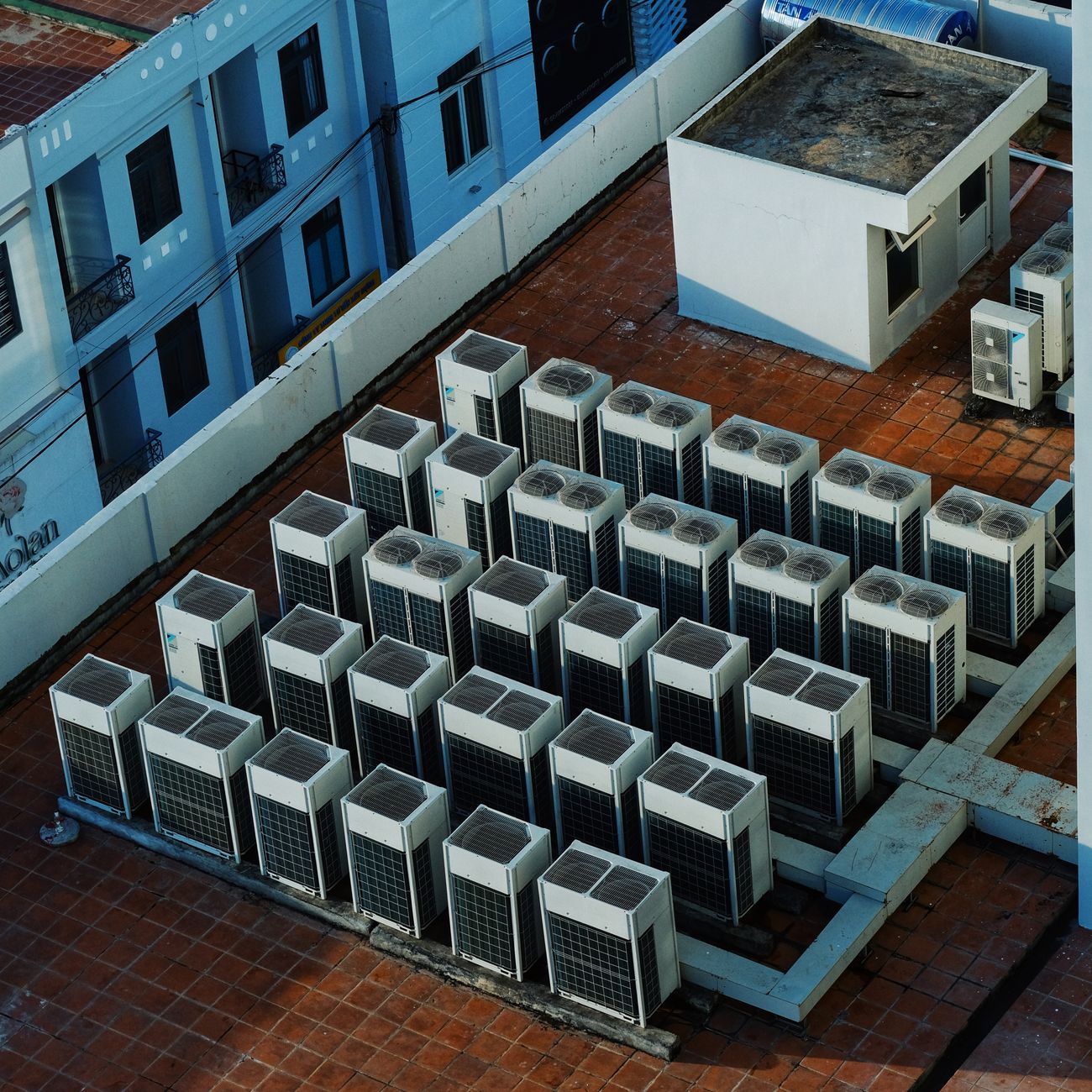
Facility manager leads only help the sales side when they arrive with a picture of the building already filled in. The intake asks what kind of property it is (office, retail strip, restaurant, medical office, school, warehouse), roughly how many rooftop units sit on the roof or whether the building runs on a central plant with a chiller or boiler, and who services it today. It asks whether that work runs under an agreement, and if so, when the agreement comes up for renewal.
Two more questions save the most wasted calls. Who signs off on the work, and does the building need a purchase order before a truck goes out? A facilities coordinator can describe the problem perfectly and still have no authority to approve a replacement, so the intake records the person who does. It also asks about access, because roof hatches that need a key from building security and work allowed only before tenants arrive both change who gets sent and when.
HVAC Service Contract Leads Need Their Own Intake
A manager asking about preventive maintenance is shopping for a relationship, not a visit, and HVAC service contract leads deserve an intake built for that conversation. It asks how many buildings and which addresses, whether they have an equipment list or a past service report they can share, how often they expect visits, and what has gone wrong with the current vendor: skipped visits, filters that never get changed, no written report after a call. Those answers tell the person pricing the agreement whether to bring a quick proposal or plan a full walk of every roof.
Service calls feed this pipeline too. When a building that has no agreement calls in an outage, the intake marks it as an uncontracted site at the moment the call comes in. The repair still gets handled first, but the owner can see, by source, how many outage calls came from buildings that could become agreement customers, instead of finding out months later from a stack of invoices.
Rooftop Unit Replacement Leads and Tenant Improvement Bids
Rooftop unit replacement leads come with questions a repair call never raises. The replacement intake asks how old the units are if anyone knows, how often they have needed repairs lately, whether the swap is like for like or the space is changing use, and whether the lease puts the equipment on the landlord or the tenant. When the person asking is a tenant, the intake collects the property manager's contact before anything is scheduled, because the owner usually decides on a replacement and pays for it.
Project inquiries follow a separate path. A general contractor or architect sending a tenant improvement or a new buildout gets a form that asks for the scope, the drawings or a link to them, the bid due date and the expected start. Those go to the estimator, not to dispatch, and the bid deadline travels with the lead so nobody discovers it the day before.
Routing Commercial HVAC Leads to the Person Who Can Act
Speed matters only when the lead reaches someone who can do something with it. Each of the three paths ends at a specific desk, and the shop agrees on who sits there before anything goes live. An outage during business hours rings the dispatcher. After hours it is passed to the person the shop has set to take those calls. Service agreement inquiries land with the account manager or owner who prices them. Replacement and project requests go to the estimator along with the building details, and a property manager asking about several buildings at once goes to the owner.
When everyone is on a roof and a call goes unanswered, a text goes back with a link to the matching intake, so the facility manager can describe the building while waiting instead of calling the next contractor on the list. Who answers which desk, and when, is agreed with the people who wire the shop's phones and calendars.
Property Managers, Builders and Tagged Intake Links
Much of the steadiest commercial work arrives through people who already know the shop. Property management firms send service calls from every building they run and eventually ask about agreements. General contractors bring tenant improvement and buildout bids. Existing accounts add a second location or a newly purchased building. Each of these relationships gets its own tagged intake link that the owner shares with partners the shop already works with.
A link records which firm or contractor sent the request, the building address, who approves the work, who receives the invoice and whether a purchase order is required. Every job that comes through it shows its source, so the owner can see which property managers send outage calls only and which ones are worth a conversation about putting their buildings under agreement.
Frequently Asked Questions
What should a commercial HVAC intake ask a tenant whose rooftop unit is down?
Ask what space has lost heating or cooling, whether the business is open, and whether the property manager has approved the call. Collect the manager's contact before scheduling anything beyond the urgent visit, because the lease decides who pays for the equipment.
Where do preventive maintenance agreement inquiries go in a commercial HVAC intake?
They get their own path that asks for the number of buildings, the addresses, any equipment list or past service report, and what has gone wrong with the current vendor. The request then goes to whoever prices agreements, not to the dispatch board.
What happens when someone at a commercial building reports a gas smell?
No building questions are asked. The caller hears the emergency instruction your shop and the local gas utility approve, and a person at the shop takes over the call immediately.
How a Commercial Intake Gets Built

Sort Outages, Agreements and Bids
Every visitor picks a path first. Outage callers describe what the building has lost and whether it is occupied, agreement shoppers list their buildings and current vendor, and contractors send scope, drawings and a bid date. Each path lands in its own queue.

Qualify the Building and the Signer
The intake records the property type, the rooftop units or central plant, who services it now and when that agreement renews. It also asks who approves the work, whether a purchase order is needed, and how a tech gets onto the roof.

Route Each Lead and Tag Partners
Outages ring dispatch or the after-hours contact, agreement inquiries reach whoever prices them, and replacements and bids go to the estimator. Property managers and general contractors get tagged intake links, so every referred job shows its source and who pays.
What the Commercial Intake Captures
Outage lane
Occupied buildings with lost heating or cooling go to a person first
Signer on file
Who approves the work and whether a purchase order is required
Partner links
Tagged intake for property managers and general contractors
Ready to Stop Sending Agreement Requests to Dispatch?
Book a call and we will sort last month's inquiries into outages, agreements and bids, then set the routing for each and the intake links your property managers will use.

Let's talk about your growth
Tell us about your business and we'll show you exactly where AI can win you more customers.