


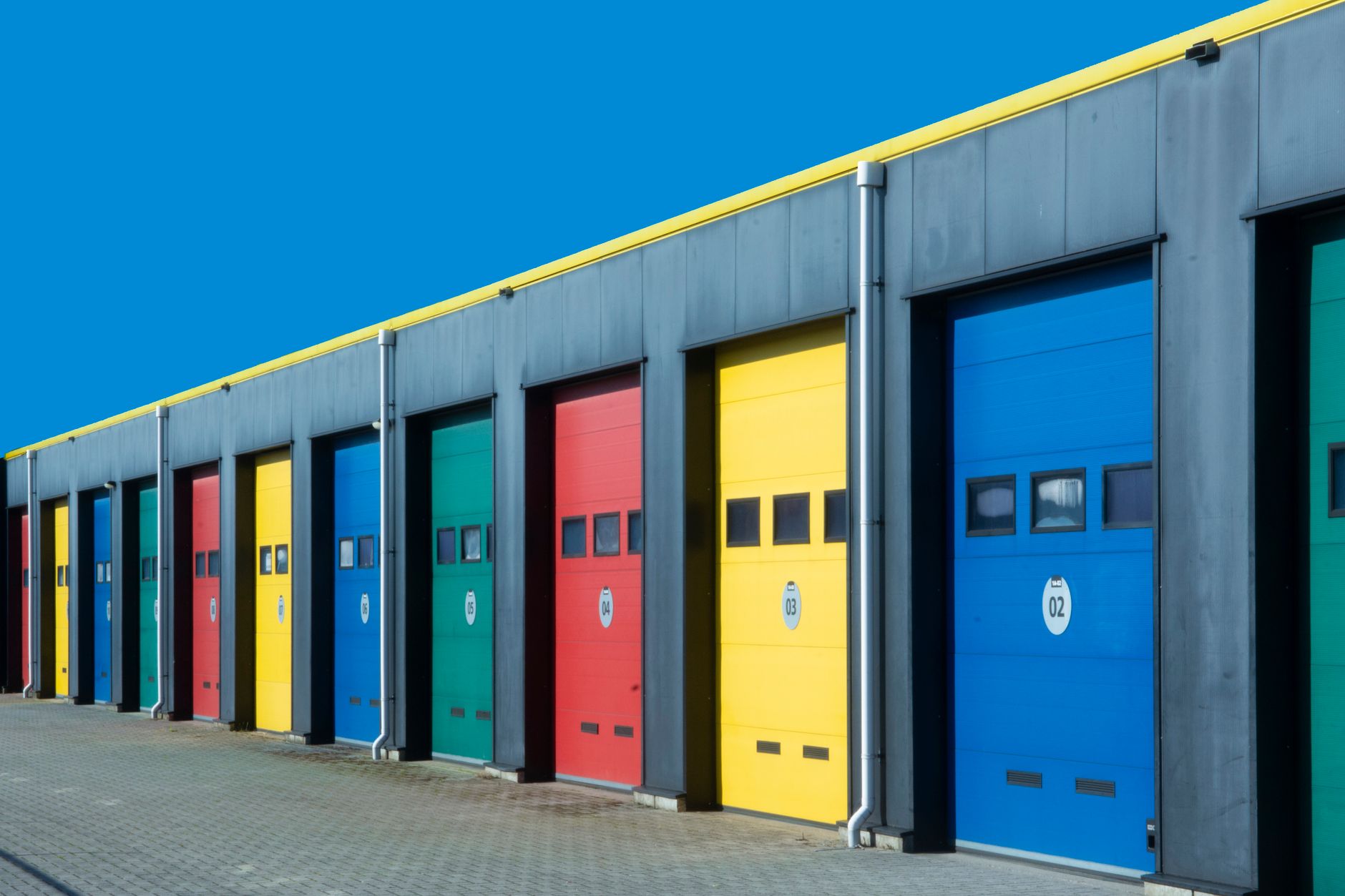
Website Design for Garage Door Companies
Website Design for Garage Door Companies done right is exactly what Qeystone delivers for garage doors businesses. Garage Door Website Design Company is part of how we make that happen. Your customers search for garage door services online before they ever pick up the phone — a professionally built Garage Doors website design turns those searches into booked jobs. Qeystone combines AI-powered website design for Garage Doors businesses with conversion strategy so your site works as hard as your crew does. From Garage Door Web Design to Best Websites for Garage Door Companies, we cover every angle.
Why a Garage Door Website Has to Serve Two Very Different Visitors
A garage door company website is answering two completely different searches at once. One visitor has a broken torsion spring and a door stuck half-open in the tracks, is standing in the driveway on a phone, and needs a real person on the line in the next five minutes. The other visitor is planning a $2,000 to $3,500 carriage-style door replacement, wants to browse finishes and window inserts, and will take two weeks to decide. A single generic homepage rarely serves both well, which is why garage door company website design is built around these two intents deliberately rather than treating every visitor as the same lead.
What a Complete Website Program Covers
A full program spans a local business website structured around multiple service areas with emergency service front and center, mobile-first design that puts click-to-call above the fold for the phone-heavy way garage door emergencies get searched, PPC landing pages built per campaign intent, ongoing conversion rate optimization, Core Web Vitals performance work so pages load fast on a phone in a driveway, and a full redesign process for sites that have fallen behind on all of the above.
Designing the Emergency Path So the Phone Rings
The single most valuable visitor a garage door site gets is the one with a broken spring or a door off its tracks right now. Broken torsion springs are the top emergency call in this trade, and that visitor converts by phone, not by form. The design puts a tap-to-call button in the header, repeats it after every section, and frames it around the specific panic moment: door won't open, door won't close, loud bang and now it's stuck. That path has to be the most obvious element on the page, not buried under a hero image and a paragraph about company history.
Building the New-Door Quote Path for Planned Buyers
The second visitor is nowhere near ready to call. They are comparing a single-car door averaging around $2,171 against a double-car door averaging around $3,478, weighing sectional against carriage-style, and deciding whether an insulated door is worth it. This visitor needs a door gallery, a finish and window selector, and a quote-request form that captures door size, style preference, and whether it is a replacement or a new install. Design serves this buyer with visual proof and clear pricing ranges rather than pushing them toward a phone call they are not ready to make.
Using a Real Door Gallery as the Center of the Site
A homeowner spending three to four thousand dollars on a door that occupies a third of their home's street-facing facade is buying curb appeal as much as function. Real photographs of completed installs across sectional, roll-up, and carriage-style doors, in the actual finishes and window configurations the company sells, do more persuasive work than any written description of the same doors. Good garage door website design treats the gallery as a primary conversion tool, not a neglected sub-page nobody links to.
Explaining Repairs Clearly So Visitors Recognize Their Problem
Most homeowners cannot name the part that failed. They know the door is loud, slow, stuck, or reversing on its own. Good site content maps those symptoms to real services: a loud bang and a stuck door points to a broken spring, a door that reverses before closing points to a misaligned safety sensor, and a door coming off one side points to a track realignment. Naming the symptom the visitor is actually experiencing turns a confused browser into a booked repair far more reliably than a generic list of services.
Putting Honest Price Ranges on the Page
Hiding pricing entirely pushes anxious visitors to a competitor who is more transparent. A garage door site that states realistic ranges converts better: repairs commonly land between $150 and $450 with a national average near $265, torsion spring replacement runs $150 to $600, opener repair runs $100 to $200 with replacement between $300 and $900, and full door replacement averages roughly $753 to $1,700 depending on size and material. Broad ranges set expectations without committing to a firm number, and that honesty earns the call.
Structuring the Site for Search Engines and Real Visitors at Once
Well-planned garage door website design serves search engines crawling for distinct service and location pages covering spring replacement, opener service, and new door installation, and it serves homeowners trying to reach someone fast or compare doors carefully. Good structure serves both at the same time rather than treating SEO architecture and conversion design as competing goals that have to be traded off against each other.
Measuring Design Against Booked Jobs, Not Visual Polish
A striking site that does not generate calls and quote requests is not doing its job. Design decisions get measured against real outcomes: tracked phone calls from the click-to-call button, completed quote forms, and booked spring replacements and door installs. Subjective preference from ownership matters far less than what the conversion data actually shows about how real homeowners move through the site.
Communicating Response Time as a Competitive Advantage
For an emergency repair, response time is the buying decision. A homeowner with a car trapped inside the garage will call whoever can get there today. A site that states same-day or emergency availability clearly, near the click-to-call button, wins that visitor over a competitor whose site says nothing about how fast they respond. Speed of response deserves the same prominence as the phone number itself.
Coordinating Design With SEO and Advertising From the Start
A site designed without SEO and paid-campaign needs in mind usually needs expensive rework later. Separate service pages that support both keyword targeting and dedicated ad landing pages, plus a technical foundation fast enough to hold a good Quality Score, are far cheaper to build in from the beginning than to bolt on after the fact once campaigns are already running.
Involving Techs and Office Staff in the Site Review
The technicians who replace springs and realign tracks all day, and the office staff who answer the phones, hear the exact questions homeowners ask before they book. What does a spring replacement cost, how long does a door install take, is the loud grinding dangerous. Feeding those real questions into the site's content answers objections on the page and reduces the friction between a visitor landing and a job getting booked.
Setting a Realistic Budget Based on Site Scope
A full site with distinct service pages, multiple service-area pages, a door gallery, and a quote configurator costs meaningfully more than a simple five-page brochure site. Budget conversations start with an honest look at scope: how many service areas, how deep the gallery needs to be, whether a quote tool is worth building. That grounds the number in what the specific business actually needs rather than a one-size-fits-all figure.
Reviewing the Site Annually Even Without a Full Redesign
Even a strong site benefits from an annual check that pricing ranges, door styles, opener brands carried, and service areas still match the business. Catching that drift early prevents it from accumulating into the kind of gap that eventually forces a full redesign, and it keeps the emergency and quote paths accurate as the company's offerings evolve year to year.
Frequently Asked Questions
How long does a full garage door company website redesign typically take?
Most redesigns take six to ten weeks depending on the number of service and location pages, the depth of the door gallery, and whether a custom quote tool is part of the build.
Does the website need separate pages for repair versus new door installation?
Yes, separate pages for emergency repair, spring replacement, opener service, and new door installation perform better for both search visibility and conversion than one combined services page, because they serve genuinely different intent.
Related Reading
Nearly the entire emergency side of this business arrives on a phone screen, held by someone standing in a driveway, so mobile-first design is carrying more weight here than it would in most trades. A local business website is the broader build sitting underneath it — the service-area pages, the spring and opener pricing, the proof that this company actually covers that particular town. Window and door companies win much of their work from the same phone-in-hand, standing-at-the-house moment, so website design for window and door companies is built mobile-first around the same service-area proof.
From Blueprint to Booked Jobs

We Learn Your Business
We dig into your service area, your most profitable jobs — spring replacements, new installs, emergency repairs — and the competitors you want to outrank. No generic templates, no guesswork.

We Build a Site That Sells
Our team designs a fast, mobile-first website built specifically for garage door companies, with clear service pages, trust signals, and calls-to-action placed exactly where homeowners are ready to say yes.

You Launch and Win More Leads
Your new site goes live optimized for local search, Google Business integration, and quote-request conversion — so every visitor has a frictionless path to becoming a paying customer.
Real Results for Garage Door Companies
3x
More inbound quote requests within 90 days of launch
68%
Average increase in organic local search visibility
<2s
Page load speed that keeps homeowners on your site
How We Grow Garage Doors With Garage Door Website Design Company
Local Business Website
A fast, modern site built to win local customers.
Landing Page Design
Focused pages built to turn clicks into leads.
Core Web Vitals Optimization
Faster load times that please users and Google.
Conversion Rate Optimization
Turn more of your existing traffic into customers.
Website Redesign
Modernize an outdated site into a lead machine.
Mobile-First Design
Flawless on every phone, where most customers visit.
Ready to Dominate Your Local Garage Door Market?
Get a free strategy call and see exactly what a purpose-built website can do for your garage door business.

Let's talk about your growth
Tell us about your business and we'll show you exactly where AI can win you more customers.