


HVAC Lead Generation That Sorts Breakdowns From Replacements
Qeystone runs HVAC lead generation as three intake paths: something is broken, a new system, or maintenance. Repair calls answer equipment, symptom and who is at risk, then reach dispatch or the on-call tech. Replacement inquiries book straight onto a comfort advisor's calendar. Tune-ups become plan enrollments, and inspectors, agents and landlords get referral links of their own.
HVAC Lead Generation Begins With Three Different Calls
HVAC lead generation breaks down when a dead condenser in July, a twenty-year-old furnace the owner wants to replace before winter, and a spring tune-up request all land in the same contact form. They are all HVAC leads, but one needs a truck today, one needs a comfort advisor in the living room next week, and one needs a slot on a quiet Tuesday. Treat them alike and the urgent caller waits behind the tune-up while the replacement buyer gets a dispatcher reading off a script.
Qeystone builds three intake paths and makes the visitor choose between them up front: something is broken, I am thinking about a new system, or I want maintenance. Each path asks only what its job needs and lands in its own queue. The CSR who answers a no-cool call never has to scroll past financing questions, and the advisor's calendar never fills with filter changes.
HVAC Service Leads: What Dispatch Needs Before the Truck Rolls
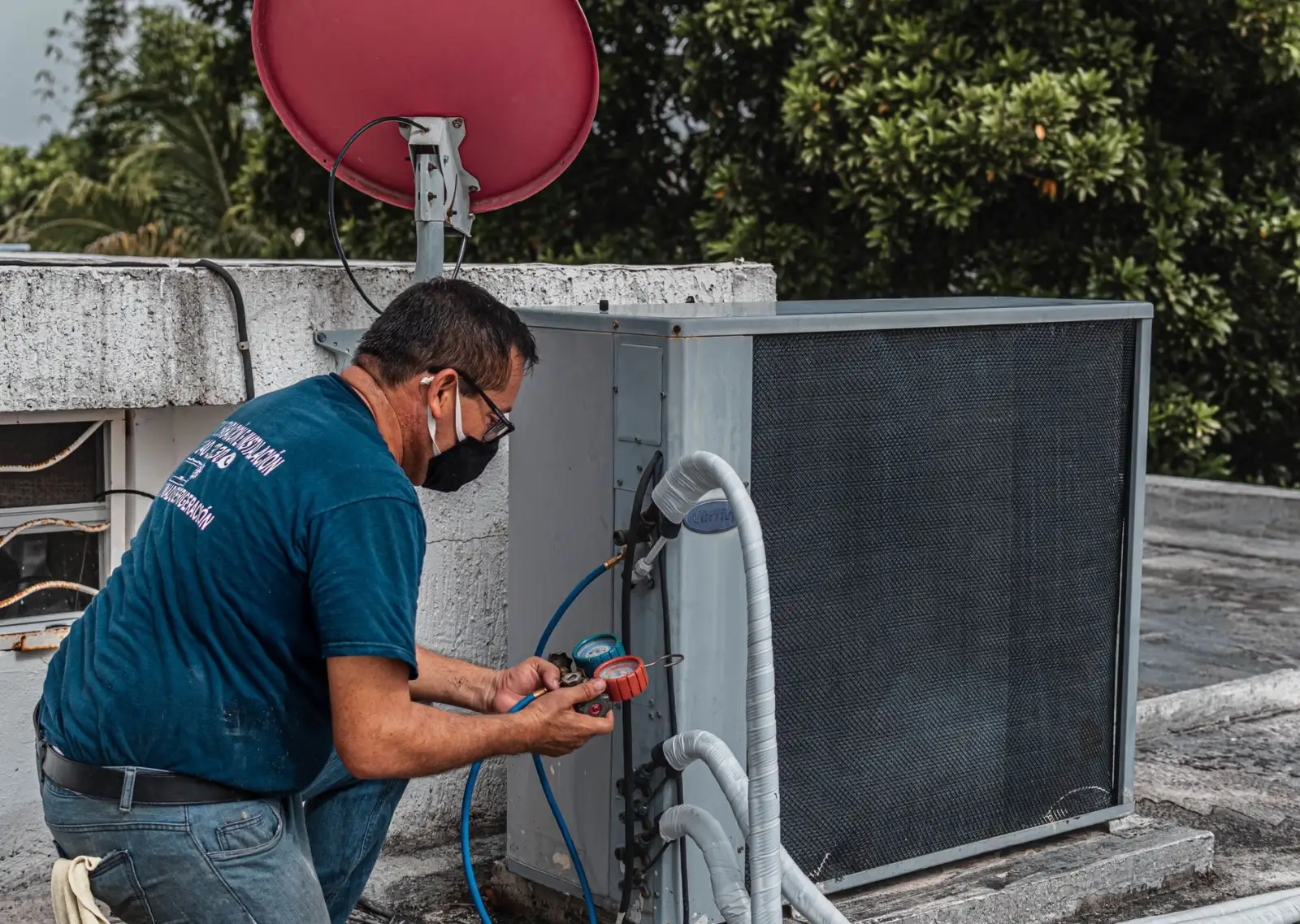
A repair call is only as good as what the dispatcher knows when they assign it. The service intake asks what kind of equipment is in the house (gas furnace, heat pump, central air with a furnace, ductless heads, or a boiler), what it is doing (blowing warm air, short cycling, ice on the refrigerant line, water pooling around the indoor unit, a breaker that keeps tripping), and whether the thermostat has fresh batteries and is set correctly.
It also asks where the indoor unit lives, because an attic air handler in August or a crawlspace furnace changes which tech gets sent and how long the visit runs. It asks whether the caller owns the home or rents, so a tenant's request can be held until the landlord authorizes the work, and roughly when the system went in and who installed it, since a unit still under the installer's labor warranty belongs with the original crew. HVAC service leads that arrive with those answers get the right tech and the right parts on the van the first time.
Separating the No-Heat Emergency From the Planned Job
Urgency in this trade is about the people in the house as much as the equipment. A furnace that quits during a cold snap in a home with a newborn or an elderly parent is a different call from the same failure in an empty rental. A dead AC during a heat wave with someone medically vulnerable inside moves to the front. A rattling blower motor or a system that runs fine but costs too much to operate is real work, and it can wait for a scheduled visit.
So the service path ends with two questions: is anyone at risk if this is not fixed today, and is the system completely down or just struggling. Those answers sort the lead into an emergency lane that goes to dispatch or the on-call tech under your rules and a planned lane that offers bookable windows. A caller who mentions a gas smell or a carbon monoxide alarm never reaches a scheduling screen at all. Whatever the hour, that path reads the emergency instruction your shop and local gas utility approve, then puts the caller straight through to dispatch or the on-call tech with no form in between.
HVAC Replacement Leads Go to a Comfort Advisor
A homeowner pricing a new system is not buying a repair, and running them through dispatch costs the sale. The replacement intake gathers what an advisor needs to walk in prepared: the age of the current equipment if they know it, how many repairs it has needed lately, which rooms never get comfortable, whether the house has ductwork or is being considered for ductless, and whether they are adding central air to a home that has only ever had a furnace and window units.
Two more questions protect the advisor's day. Will everyone who makes the decision be home for the visit, and is the homeowner interested in hearing about financing. An in-home consultation with one spouse missing tends to end in a second appointment, so the booking flow asks before it confirms. The richest source of HVAC replacement leads is often the company's own service techs: when a tech recommends replacing rather than repairing, that ticket should open a replacement lead with the diagnosis attached, not sit in an invoice note nobody reads.
Routing Each Inquiry to the Right Person, by Season
Speed-to-lead in HVAC means the right person, not just the fastest one. Emergency service leads after hours go straight to whoever is on call, by text and by phone, with the intake answers in the message. Daytime repair requests drop into the dispatch board with the equipment type and symptom already filled in. Replacement inquiries book directly onto an advisor's calendar, filtered by the zip codes that advisor covers. Tune-up requests go to the scheduler who batches them by neighborhood.
The routing also changes with the weather. On the first hot weekend of summer and the first hard freeze of fall, no-cool and no-heat calls can swamp the board, so the planned lane quietly offers later windows and the emergency lane gets every available tech. In the shoulder months the balance flips and the same rules push tune-ups and replacement consultations forward. What happens to a lead after that first handoff is built by the team behind the follow-up sequences.
Maintenance Plan Leads From Every Tune-Up Request
A tune-up booking is one of the most useful inquiries an HVAC company gets, because it comes from a homeowner who already thinks about their system before it fails. The maintenance path treats it as a chance to capture a plan member. It records the equipment and its rough age at booking, offers the plan as an option right beside the single visit, and explains plainly what membership covers in the owner's own terms: seasonal visits before cooling and heating season, a priority lane when something breaks.
Maintenance plan leads also come from the install base. Every new system the company puts in is a natural enrollment conversation at the walkthrough, and the installer gets a short sign-up link to open at the walkthrough. Existing members get their own entry on the site, so a plan holder with no heat skips the general queue and lands in the priority lane they are paying for.
HVAC Leads From Inspectors, Realtors, Landlords and Remodelers
Some of the steadiest residential work arrives through other people. Home inspectors flag aging furnaces and condensers during a sale and need a contractor who can look at the system before closing. Real estate agents want a quick service visit before listing, or a written assessment for a buyer worried about an old heat pump. Landlords and residential property managers with single-family rentals and small multifamily buildings send repeat service calls and eventually replacements, and they care most about a tech who can coordinate access with tenants. Remodelers and custom home builders bring additions that need a new zone, extended ductwork or ductless heads.
Each partner type gets its own short intake link that tags the source, captures who the homeowner or tenant is, and records who approves the work and who receives the invoice. The owner shares each link with the partners the shop already works with, and every job that comes through it shows which inspector, agent or landlord sent it.
Frequently Asked Questions
What should an HVAC company ask a homeowner who calls with no cooling?
Ask what equipment they have, what it is doing, whether the thermostat is set correctly with working batteries, where the indoor unit is, and whether anyone in the home is at risk in the heat. Those answers decide whether the call goes to the on-call tech now or into a scheduled window.
How does Qeystone keep HVAC replacement inquiries separate from repair calls?
Replacement inquiries have their own intake that asks about system age, repair history, comfort problems, ductwork and who makes the decision, then books straight onto a comfort advisor's calendar instead of the dispatch board. Tech recommendations to replace open the same kind of lead.
How does Qeystone set up referral intake for home inspectors and realtors?
Each partner gets a short intake link that tags them as the source and records the homeowner, the closing timeline, who approves the work and who pays. The owner shares each link with the partners the shop already works with, and every referred job shows who sent it.
How an HVAC Intake Gets Built

Split Repair, Replacement and Tune-Up
Each visitor first picks a job type. Repair callers describe equipment and symptom, replacement shoppers describe system age and comfort problems, and tune-up requests capture the equipment for a plan offer. Each lands in its own queue.

Triage Urgency and Route by Role
Two questions sort every repair: is anyone at risk, and is the system fully down. Emergencies go to dispatch or the on-call tech under your on-call rules, answers included. Planned repairs reach the dispatch board, and replacement inquiries book onto the advisor who covers that zip code.

Give Each Referral Partner a Link
We set up a tagged intake link for each home inspector, real estate agent, residential landlord and remodeler the shop already works with, so every referred job arrives showing who sent it, who approves the work and who pays the invoice.
What the Intake Program Includes
3 intakes
Repair, replacement and tune-up paths from the first click
Urgency triage
On-call paging for no-heat and no-cool calls with someone at risk
Partner links
Tagged intake for inspectors, agents, landlords and remodelers
Ready to Stop Sending Tune-Ups to Dispatch?
Book a call and we will map your repair, replacement and maintenance intakes, the routing rules for your peak weeks, and the referral links your partners will use.

Let's talk about your growth
Tell us about your business and we'll show you exactly where AI can win you more customers.