


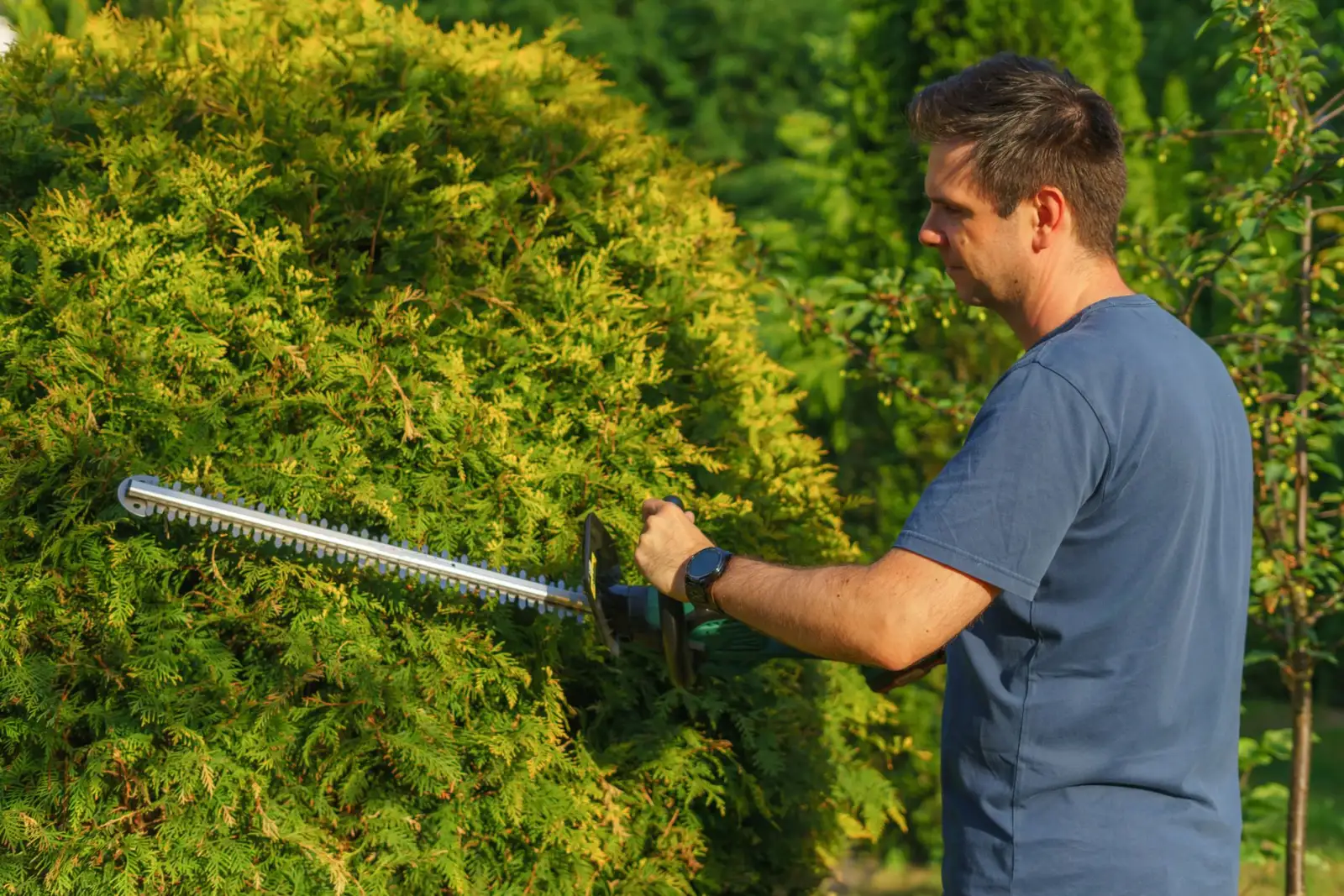
Landscaping Content Marketing From the Estimate to the Second Spring
Landscaping content marketing from Qeystone starts before the job is sold: the before photos are taken at the estimate visit, so every install can become a project story with a return visit once the planting fills in. We script landscape design videos around the base, drainage and wiring that end up buried, write the blog posts your estimators keep answering on site, and explain lawn care visits to the customers on your route.
Landscaping Content Marketing Starts at the Estimate Visit
Landscaping content marketing runs into a problem most owners notice around midsummer: the best install of the year is finished, and nobody took a before photo. In this trade the before picture has to exist before the work is sold, because once the excavator arrives the old yard is gone for good. So the program starts at the estimate visit. Whoever walks the property for the quote shoots the before set from fixed corners, notes where they stood, and flags the job so the crew lead repeats those angles at the final walkthrough.
Qeystone writes, scripts and publishes everything that habit makes possible, and sorts it into two streams from the start: design-build and hardscape for people deciding whether to commit to a project, and lawn care and maintenance for the customers already on your route.
Project Stories Need a Second Visit
A new install photographs at its weakest on the day it is finished. Plants go in young and spaced for the size they will reach, the mulch is fresh and dark, and the beds look thin to a homeowner who pictured a full garden. So each project story is built from three captures rather than one: the before set from the estimate, the finish set, and a return visit after the planting has had a season or two to fill in, shot from the same marked spots.
The story is written around decisions, not adjectives. Why the bed line curves where it does, why the patio sits on the side that keeps evening sun, how the downspout that used to flood the corner now drains into a dry creek bed, which shrubs were chosen for the shady strip along the fence. That reasoning is what a design-build prospect is trying to judge. The return-visit photo does a second job too: it is the answer for every new client who calls in the first month worried the beds look empty.
Landscape Design Videos That Show What Gets Buried
Much of what a hardscape or design-build customer pays for is covered before the job is done: the excavation, the compacted base under a patio, the drain pipe behind a retaining wall, the irrigation lines and lighting wire run before the sod goes down. Two quotes for the same patio can look alike on paper and differ almost entirely in those hidden layers. Landscape design videos are where that difference becomes visible.
We script build videos around the stages that disappear. A phone on a fixed mount at the edge of the site captures the job for a time-lapse, and short clips catch the crew lead explaining one buried step at a time in plain words: why the base goes in and gets compacted in layers, why the wall has gravel and a pipe behind it, why the edge restraint matters. A second format follows the design itself, from a designer walking the yard and pointing out sun, shade and where the water runs, to the drawn plan, to the finished space, with an honest note on what changed between the plan and the ground.
Lawn Care Content for the Customers Already on Your Route
Maintenance and lawn care customers do not need persuading to hire a landscaper. They already did. What they need is help reading what they see, because a lot of calls to the office on this side of the business start with a customer who thinks something went wrong. Lawn care content answers those calls before they are made: why the lawn is dotted with soil plugs after core aeration and why the crew leaves them there, why freshly overseeded patches look thin at first, why your crew mows higher than the neighbor's, how to water new sod using the instructions the crew leaves behind.
Each explainer becomes a page on the site, a short post and a link in the visit note. Anything that depends on the property or the local rules, such as product choices or watering schedules where restrictions apply, points the customer back to your crew instead of guessing.
The Landscaping Blog Answers What Estimators Hear on Site
The best topics for a landscaping blog are already being asked out loud, at estimate visits and design consultations, every week of the season. Why do two patio quotes for the same yard come in so far apart? Pavers, natural stone or poured concrete? What happens between signing the design and the first day of install? How long until new plantings look finished? We collect those questions from your estimators and designers and write each post around the answer they actually give.
When a post covers cost, it explains what moves a quote, such as equipment access, grade changes, haul-away and material choice, rather than printing numbers that will be wrong by next spring. Plant recommendations come from what your crews install and what survives in your area, never a generic national list, and every draft goes to you before it publishes so it matches how your crews really work. Deciding which of those questions gets a post first is a job for the team watching local search demand, and they hand us the order.
Landscaping Social Media Built From the Crew's Week
Crews spend all day on properties, so landscaping social media never lacks material. It lacks variety. Another wide shot of a finished yard blends into every other one, so the feed mixes formats: matched before-and-after pairs from the marked angles, a retaining wall going up course by course in a time-lapse, a crew lead's short explanation of a buried step, and close detail shots of the craft itself, a crisp bed edge, a stone cut to fit around a tree root, clean stripes on a freshly mown front lawn.
Permission comes first. Clients are asked when they sign whether their yard can appear, and house numbers, plates, street signs and faces stay out of frame unless the owner says otherwise. Google Business Profile posts carry the same project photos tagged with the town where the work was done, plus notices when design consultations or seasonal cleanups open for booking. Property managers and HOA boards get a plainer register: a well-kept entrance, a seasonal flower rotation.
Newsletters and a Calendar Set by the Crew's Season
The email newsletter runs as separate tracks. Maintenance clients hear what the first visits of the season will cover, when their agreement renews, and which add-ons are worth booking, such as a mulch refresh, landscape lighting or a fall cleanup. Past design-build clients get their return-visit photos, a note on caring for the new beds, and a referral ask. Commercial contacts get scope and scheduling notes for their properties, never residential promotions.
The calendar follows a tension built into this trade: the months with the most to film are the months nobody has time to write. So the busy season is for capture, and the slower months are for writing, editing and scripting. Design-build content publishes during the planning window before the spring rush, whenever that falls in your region, because that is when homeowners commit to projects. Lawn care pieces are timed to the services actually on your route, and if your crews plow in winter, the feed follows them into snow season rather than going quiet.
Frequently Asked Questions
Who takes the photos on a landscaping job, the crew or the marketing team?
Your own people, on their phones, working from a short shot list for each job type. The estimator takes the before set at the quote visit, the crew lead takes the finish set and the build-stage clips, and we handle selection, editing, captions and publishing. A large design-build project can justify a planned shoot day.
Can a landscaper post photos of a client's yard without asking?
We do not. Permission is asked at signing, in writing, and the client can say yes to the yard but no to anything that identifies the house. House numbers, plates, street signs and people stay out of frame by default, and a client who changes their mind gets the posts taken down.
What if new plantings look sparse in the finish photos?
They usually do, because plants go in young and spaced for their mature size. That is why each project story includes a return visit after the planting fills in, shot from the same marked angles, and why the finish post says plainly that the beds are meant to grow into the space.
From the Quote Visit to the Feed

We Set the Capture Habit
We split your work into a design-build stream and a lawn care stream, write a shot list for each job type, and set up the before set at the estimate visit with marked angles, so every sold project starts with photos the crew can match at the final walkthrough.

We Write and Script From Your Jobs
We turn finished installs into project stories, script build clips around the base, drain pipe and lighting wire before they are covered, write blog posts from the questions your estimators hear, and draft lawn care explainers for the calls that reach your office.

We Publish Through the Season
We post to social and your Google Business Profile while crews are busy, send maintenance, past-project and commercial newsletters separately, schedule return visits to finished installs, and use the slower months to write and edit the next season's pieces.
What Each Install Gives the Content
Matched angles
Before and after photos from the same marked spots
Return visits
Installs reshot once the planting has filled in
Build scripts
Base, drainage and wiring filmed before they are covered
Make Every Install Worth Photographing Twice
Book a call and we'll set up the estimate-visit photo routine, pick the first project story to write, and plan your design-build and lawn care streams around your crew's season.

Let's talk about your growth
Tell us about your business and we'll show you exactly where AI can win you more customers.