


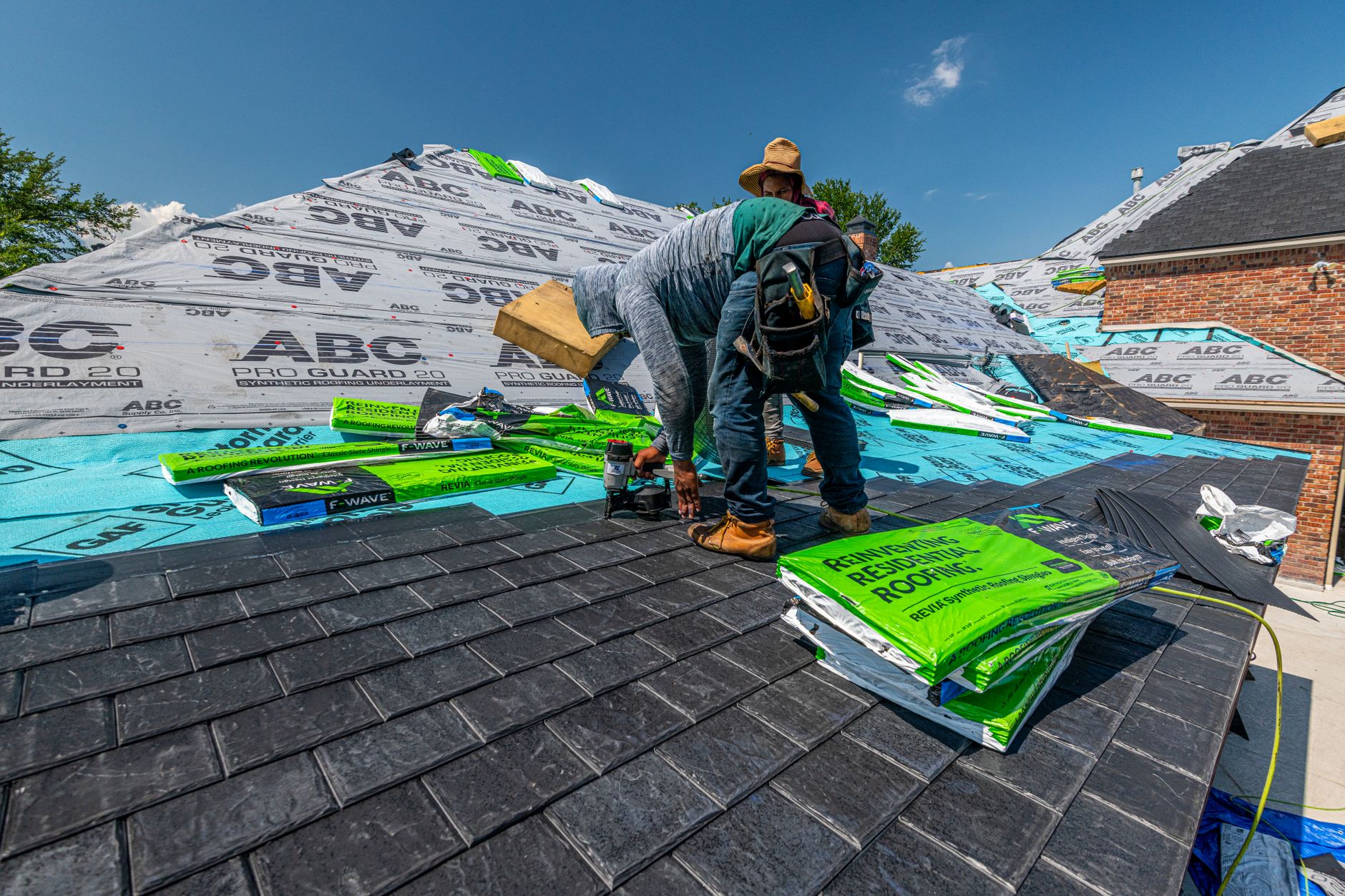
Reputation Management for Roofers and Roofing Contractors
Reputation management for roofers covers what homeowners actually write about: nails in the driveway, rotted decking on the final bill, a leak after the first storm, and crews they mistake for storm chasers. Qeystone times review requests to the final walk and the first hard rain, replies to each complaint by type, and sends damage and leak claims to the owner before anyone posts.
Reputation Management for Roofers Starts at the Final Walk
Reputation management for roofers is usually pointed at the wrong day. The review that sinks a roofer rarely describes the shingles. It describes a roofing nail in a tire, a crushed hydrangea under the dumpster, granules in the gutters, or a tarp that sat flapping through a week of rain because the crew was pulled to another job. Homeowners cannot judge a nailing pattern or a drip edge. They judge what they can see from the driveway and what happened to their yard.
So the work starts before anyone asks for a review. The crew lead walks the property with the homeowner at the end of the job, runs the magnetic sweeper across the driveway, lawn and flower beds while they watch, points out the new flashing and vents, and leaves a short card listing what was done and who to call. A homeowner who saw the sweep does not write about nails. A homeowner who was never told the crew was coming back for the ridge cap writes about an unfinished roof.
Two Clocks for Roofing Reviews: Cleanup Day and the First Hard Rain
A roof gets judged twice. The first time is the afternoon the dumpster leaves: the house looks new, the yard is clean, and the homeowner is relieved the noise has stopped. The second time is the first heavy storm, when they listen to the ceiling and check the spot where the old leak stained the drywall. Roofing reviews written on the first clock talk about the crew and the cleanup. Reviews written after the second clock talk about the roof, and those are the ones a homeowner shopping for a replacement trusts.
The request program follows both. A text with a direct review link goes out after the final walk, and a second, shorter note follows once the first real rain has passed, asking whether everything stayed dry. If the answer is no, that reply goes to the office as a service call, not a review prompt. Every customer gets the same request, repair or replacement, happy or not; nobody is screened out and nobody is offered anything for a review. The prompt suggests topics rather than words: the tear-off, decking that had to be replaced, how the crew treated the property, how the paperwork went.
Roofer Reviews in Storm Season
After hail or a wind event, a neighborhood fills with yard signs and door-knockers, and homeowners arrive suspicious of every roofer at once. They read roofer reviews looking for one thing: proof the company will still be in town when a warranty call comes. Reviews that name the street, the storm and a repair done a year later answer that better than anything on a website.
Storm season also brings reviews that are not yours. A homeowner who signed with an out-of-town crew that disappeared writes a furious one-star on the first profile with a similar name, or on the roofer whose sign is on the lawn next door. Every review is checked against the job list. When there is no record of the customer, the reply says so plainly and offers a phone number, and the review is flagged to Google under its policy for content that does not describe a real experience with the business.
Negative Review Response for Roofers, by Complaint Type
Bad reviews in this trade sort into a handful of types, and each needs a different reply. A cleanup complaint gets an apology and a return visit to sweep again; these reviewers often edit when the crew actually shows up. A price complaint is usually about decking: rot that nobody could see until the old shingles came off, billed as a change order. The reply points out, without quoting numbers, that the contract listed decking replacement as a per-sheet item and that the crew photographed the rotten boards before replacing them. That only works if the estimate said so in writing and the photos exist, which is why the estimate and the reply are built together.
A color complaint after a repair usually means new shingles patched into a weathered roof, sometimes from a discontinued line. The reply explains that fresh shingles read darker against aged ones and offers to walk the options again. A delay complaint gets the honest version: weather, material shortages, a crew moved to emergency tarping after a storm, and what the office should have said sooner. A complaint about an insurance claim gets no discussion of the claim at all, only an offer to talk directly. A good reply stays first-name only, leaves the contract total out of it, and sounds written for that house rather than lifted from a template.
Leaks, Damage and the Reviews That Go to the Owner First
Some reviews are not marketing problems. A homeowner reporting water in the attic after a new roof, a cracked skylight, a dented gutter, a satellite dish knocked out of alignment, or nails that came through the ceiling of a finished attic is describing a possible warranty or damage claim. Those are routed to the owner before any public reply, with the job file, the crew sheet and the before photos pulled. The same goes for any review that mentions a lawyer, a lien or the homeowner's insurance carrier.
The public reply on a leak never diagnoses it. Sometimes the water comes from a chimney the contract excluded or from attic condensation rather than the new shingles, but saying that in public reads as blaming the customer. The reply offers a free inspection and a name to call, and the diagnosis happens on the roof. Upset homeowners who phone after hours instead of posting reach a live answer on the office line, which keeps some of these complaints off the profile entirely.
Where Roofing Customers Post
Monitoring covers Google, Facebook and Yelp, the three places most roofing reviews land. Facebook carries more weight in roofing than its review count suggests. After a hailstorm, homeowners ask the neighbors who they used, then open the company's own page to see how it answers the unhappy ones before they call.
Every new review is tagged by complaint type and by crew. A positive review gets a thank-you that names the job type and, when the homeowner mentioned a crew member, passes the credit along. A negative one gets a drafted reply for your approval before anything is posted. Nothing goes out under your name without you seeing it.
Rebuilding a Profile of Roofing Google Reviews
A rating stuck below your competitors is a symptom, and the one-stars name the cause. Nails and trampled beds point to the end-of-job walk. Change-order anger points to how decking is written into the estimate. Leak complaints point to flashing details or crew quality. Weeks of silence during a delay point to the office, not the roof. Chasing a pile of fresh roofing Google reviews while that cause is still live just means the same one-star returns with the next storm.
So the sequence matters. Fix the cause on the jobs running now. Answer the unanswered one-stars, even the ones from three storm seasons back, because a shopper scrolling down still reads them. Send one personal note to each past replacement customer who never reviewed, signed by the owner, not a mass email. Then switch on the two-clock requests for every roof going forward. A legitimate complaint stays up; what changes is that it sits beside a dry-attic follow-up and, now and then, an edit from the homeowner whose flashing got redone. The monthly report shows the complaint mix by type and by crew, so you can see which part of the job is costing stars.
Frequently Asked Questions
Should a roofer ask for a review the day the job is finished or after it rains?
Both. Ask after the final walk and magnetic sweep, when the crew and cleanup are fresh, then send a short check-in after the first heavy rain. The second message catches any leak as a service call before it becomes a review, and the reviews written then talk about the roof itself.
How should a roofer reply to a review complaining about a higher final bill?
Most of these are about rotted decking found after tear-off. Reply without quoting prices: say decking replacement was listed in the contract as a per-sheet item and the boards were photographed before they were replaced, then offer to go over the paperwork directly. It only holds up if the estimate actually said so.
What should a roofer do with a one-star review from someone who never hired them?
Check it against the job list. If there is no record, reply briefly that you cannot find the job and give a number to call in case of a mix-up, then flag the review to Google. After storms these often come from homeowners confusing you with an out-of-town crew.
How We Run Your Roofing Reputation

Sort the Reviews You Already Have
We read every review on Google, Facebook and Yelp and tag each by cause and crew: cleanup, decking change orders, color mismatch, delays, leaks or storm-season mix-ups. That mix shows whether the fix belongs in the final walk, the estimate, the office or the crew.

Ask Twice, Ask Everyone
Every customer, repair or replacement, gets a review link after the final walk and magnetic sweep, then a short check-in after the first heavy rain. A reply about water goes to your office as a service call. Nobody is screened out and nobody is offered anything for a review.

Reply by Complaint Type
Cleanup complaints get a return sweep. Decking disputes point to the contract line and the photos. Leaks get an inspection offer, never a public diagnosis. Damage, lien, lawyer and insurance mentions go to you first, and every draft waits for your approval.
What Your Roofing Review Program Includes
Two-clock asks
A request after the final walk and a check-in after the first hard rain
Owner escalation
Leak, damage, lien and insurance mentions reach you before any reply
Crew-level tags
Every review sorted by complaint type and the crew that ran the job
Find Out What Your One-Star Roofing Reviews Have in Common
Tell us which roofing company you run and we will tag every review on your profile by job, crew and complaint before suggesting a single change.

Let's talk about your growth
Tell us about your business and we'll show you exactly where AI can win you more customers.