


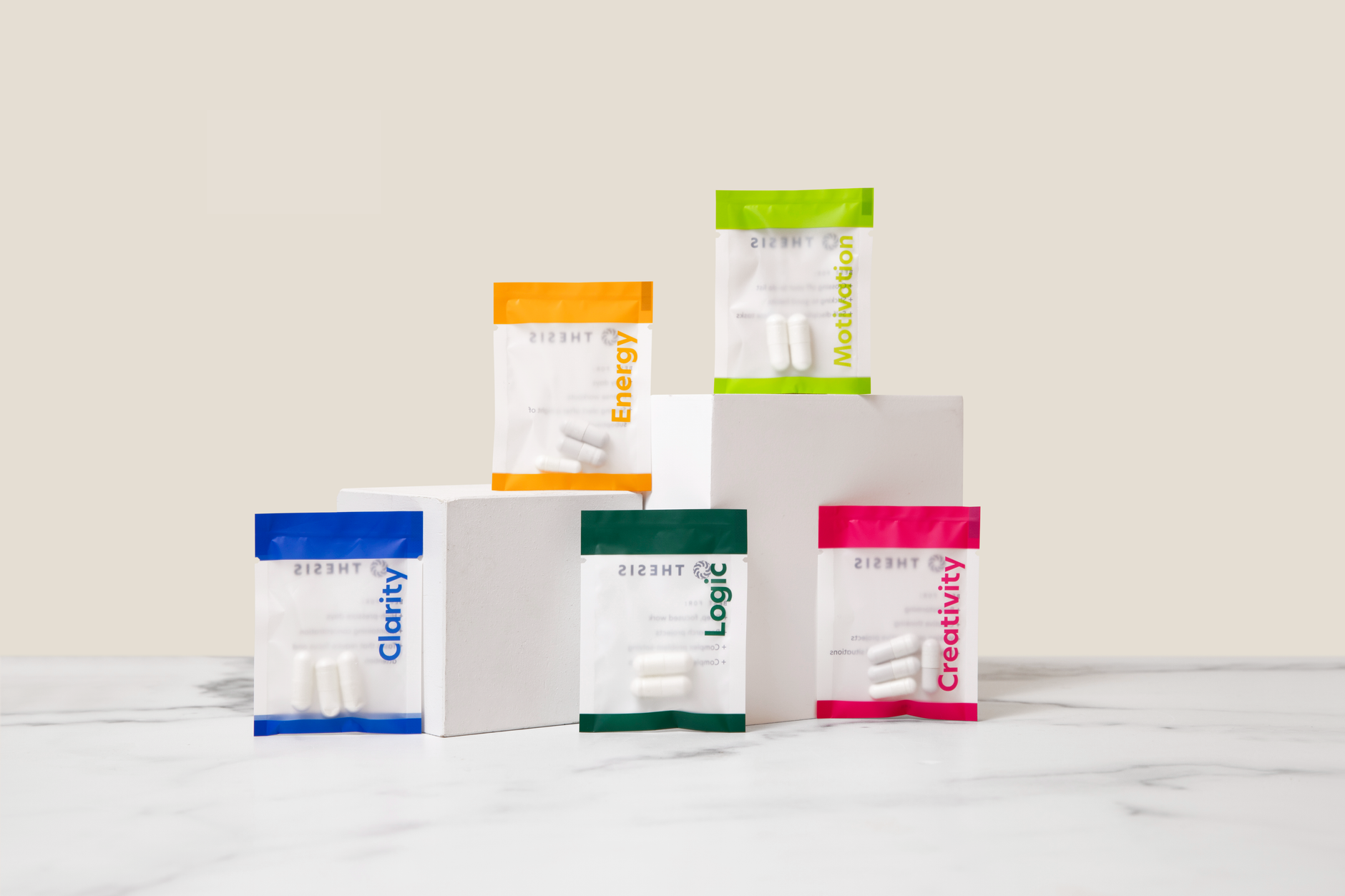
Content Marketing for Supplement Brands: Selling the Feeling, Not Just the Ingredient
Content Marketing for Supplement Brands done right is exactly what Qeystone delivers for supplement brands businesses. Supplement Brand Social Media Marketing is part of how we make that happen. Most supplement brands create content that gets ignored — we build Supplement Brands content & social media strategies that turn scrollers into loyal buyers. Qeystone combines deep industry knowledge with AI-powered content & social media for Supplement Brands to grow your audience and your revenue at the same time. We also specialize in Supplement Brand Content Strategy.
What Content Marketing Means for a Supplement Brand
Content marketing for a supplement brand means building the case for why someone should pay a premium for your product when a nearly identical ingredient list sits on a shelf three feet away for half the price. That case can't be made with a supplement facts panel alone — anyone can list magnesium glycinate or ashwagandha on a label, and once a brand competes purely on "contains X milligrams of Y," it has stepped into a race to the bottom against manufacturers with lower costs and thinner margins to protect. What actually justifies the markup is the story around the ingredient: why this formulation, why this sourcing, why this brand understands the goal a customer is actually chasing — steadier energy, deeper sleep, sharper focus, faster recovery. Content marketing is how that story gets told consistently, across a blog post explaining an ingredient honestly, a social feed showing the product inside someone's actual routine, an email that reminds a subscriber why she chose this brand over a cheaper alternative, and a script that explains a routine in fifteen seconds instead of assuming a shopper will read a label. Every one of those has to stay inside FDA and FTC structure-function guardrails — no disease claims, no cure language — which means the storytelling has to work harder within real limits rather than leaning on the exaggerated claims a less careful brand might risk.
Why Supplement Content Has to Sell a Feeling, Not an Ingredient List
The supplement category rewards emotion-driven positioning over ingredient-driven positioning, and the economics explain why. A product that costs a few dollars to manufacture can retail for $25 to $35 once it's positioned around a goal a customer genuinely wants — better sleep, consistent energy, faster recovery — because she isn't pricing the raw ingredients, she's pricing the outcome and the trust that the brand actually understands her goal. A brand that instead leads with "contains 400mg of magnesium glycinate" is inviting a direct price comparison against every other bottle of magnesium on the market, most of which are functionally interchangeable. Content marketing is the mechanism that shifts the comparison away from the ingredient and onto the brand: education that helps someone understand why a specific form of an ingredient was chosen, routine-based content that shows the product as part of a daily habit rather than a transaction, and storytelling that gives a customer a reason to trust this label over a cheaper one sitting next to it. That distinction matters even more given how short the average supplement customer relationship runs — often a few months rather than years — because content isn't just earning the first sale, it's building enough brand trust that a customer reorders instead of switching to whichever alternative shows up next in her feed.
The Six Pieces of a Supplement Brand Content Program
A supplement content program only works when its pieces reinforce the same brand story instead of running as six disconnected tactics. Blog writing and publishing builds goal-based, ingredient-education content designed to rank in search and be cited by AI search assistants, written to inform rather than to make claims a brand can't stand behind. A content calendar built around supplement-specific seasonality plans around the New Year's resolution surge, the summer fitness push, and — just as important — the reorder and renewal cadence of an existing subscriber base. Email newsletters turn restock timing and subscription renewal into a reason to stay engaged, while reinforcing why the brand is worth the price she's paying. Social media management brings the brand story to Instagram and TikTok through routine features and creator-adjacent content that shows the product in real use. Video script writing gives short-form ingredient and routine content the structure it needs to hold attention in the first three seconds without drifting into disease-claim territory. And Google Business posts keep a physical supplement retail location visible in local map-pack searches with the kind of frequent, small updates a blog post is too slow to deliver. Each piece feeds the others: an ingredient explainer becomes a video script, a video becomes a social post, a social post becomes a newsletter feature, and a newsletter feature becomes the basis for a Google Business post about what's in stock this week.
Why This Matters More Now Than It Used To
Two forces make supplement content marketing more consequential than it used to be. First, more shoppers now ask an AI assistant directly which supplement might help with a goal instead of running a traditional search, which means the brands whose ingredient education is genuinely clear, accurate, and well-structured are the ones getting cited and recommended — sloppy, claim-heavy content simply doesn't hold up to that kind of scrutiny. Second, the gap between manufacturing cost and retail price in this category is large enough that content is one of the few acquisition and retention channels that doesn't get proportionally more expensive as paid social and paid search costs climb, which matters enormously for a subscription business whose average customer only sticks around a few months. A brand that only invests in paid acquisition is paying full price to win the same customer's attention every single cycle; a brand with a real content library is earning some of that attention back for free, cycle after cycle. Physical supplement retail stores face a related but different pressure — they're competing against national chains with far bigger ad budgets, so frequent, locally specific content is often the only visibility lever a single storefront can realistically win on its own.
What's Included in Qeystone's Supplement Brand Content Service
Every supplement content engagement starts with a conversation about whether you're primarily DTC and subscription-driven, primarily a physical retail storefront, or some blend of both, because that answer changes which of the six pieces above gets prioritized first and how the content calendar gets built. From there, engagements typically combine goal-based blog content, a seasonally and renewal-aware content calendar, subscriber-focused email newsletters, day-to-day social media management, short-form video scripting, and — for brands with a physical location — regular Google Business posting, all written to stay within FDA and FTC structure-function limits rather than risking the disease-claim language that gets a brand flagged. If you're not sure where to start, our content calendar built around supplement-specific seasonality is usually the right first step, and if ranking and AI-search visibility are the priority, start with our blog writing and publishing for supplement brands. We apply this same story-over-commodity thinking to every retail and local business we work with — see how the same principle looks applied to a very different industry in our content marketing for concrete and masonry companies service.
From Strategy to Sales in Three Steps

Brand & Audience Deep Dive
We start by dissecting your formulations, certifications, target customer, and competitive space. Whether you sell protein powders, nootropics, or wellness stacks, we build a content foundation that speaks to your buyer's goals — not generic health tips.

Content Built to Convert
Our team produces scroll-stopping social content, ingredient education posts, before-and-after storytelling, and UGC-style assets — all optimized for Instagram, TikTok, and wherever your customers actually spend time. No filler. Every post earns its place.

Publish, Optimize, Repeat
We manage your calendar, monitor engagement metrics, and iterate fast. Using AI-driven performance data, we double down on what drives clicks, saves, and purchases — so your content gets smarter and more profitable every single month.
Real Results for Supplement Brands
3.8x
Average increase in social-driven product page traffic within 90 days
62%
Higher engagement rates compared to industry benchmarks for supplement accounts
2.4x
More repeat purchases attributed to consistent content touchpoints
How We Grow Supplement Brands With Supplement Brand Social Media Marketing
Blog Writing & Publishing
SEO-rich blogs written and published for you.
Social Media Management
On-brand posts that keep you top of mind.
Video Script Writing
Scripts that turn views into booked customers.
Email Newsletter
Stay in front of customers with monthly emails.
Google Business Posts
Fresh Google posts that boost your local visibility.
Content Calendar & Strategy
A clear plan for every post and channel.
Ready to Turn Content Into Customers?
Book a free strategy call and we'll show you exactly how Qeystone can transform your supplement brand's social presence into a predictable revenue channel.

Let's talk about your growth
Tell us about your business and we'll show you exactly where AI can win you more customers.