


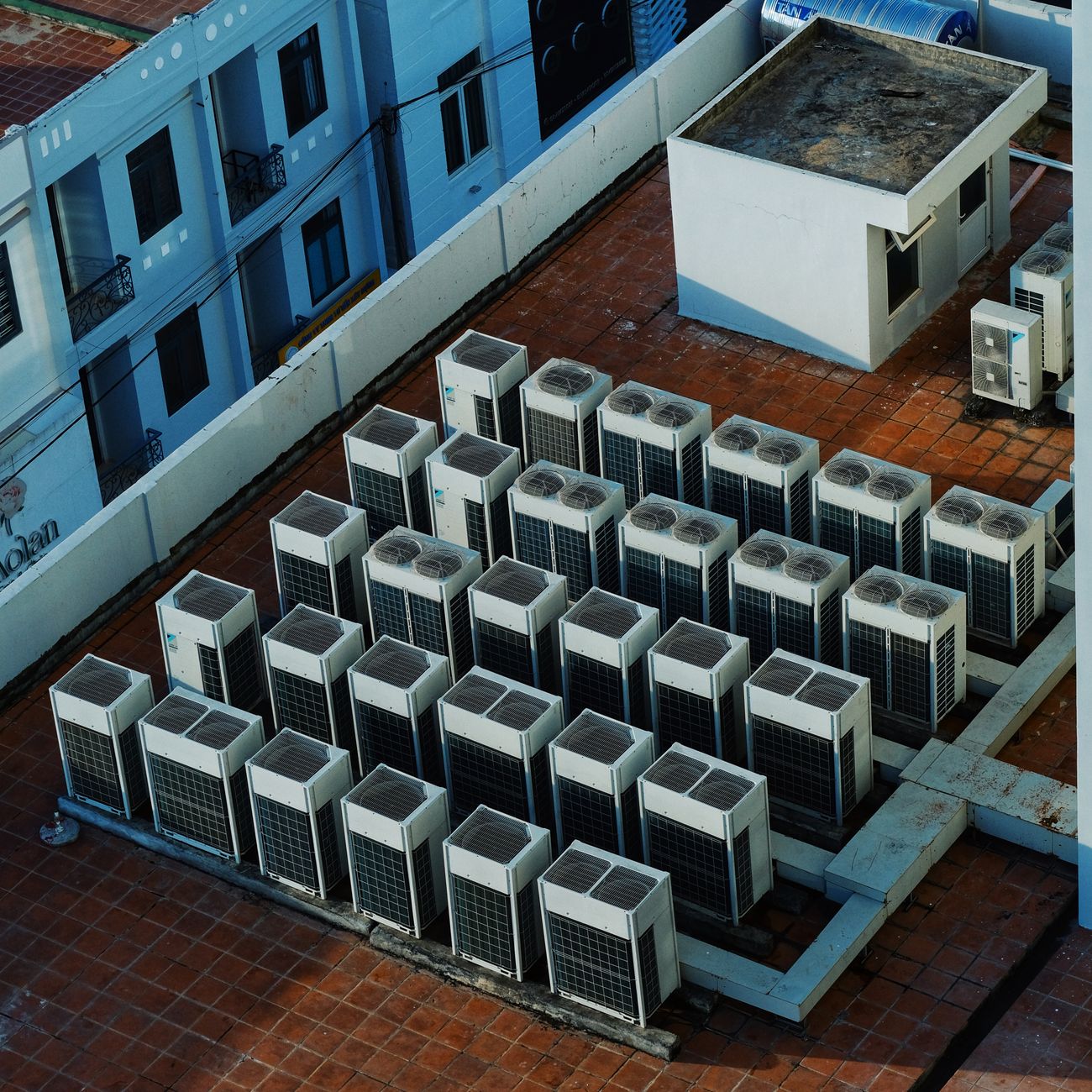
AI Agents for Commercial HVAC Contractors
AI Agents for Commercial HVAC Companies is the core of what Qeystone does for commercial HVAC businesses. Need commercial HVAC AI voice assistant? You're in the right place. Your technicians are in the field — your AI agent is at the office, qualifying leads, booking service calls, and handling after-hours emergencies without missing a beat. Stop losing six-figure contracts to competitors who picked up the phone first, and let our commercial HVAC answering service run 24/7 without adding headcount. From AI Receptionist for Commercial HVAC Companies to Commercial HVAC AI Automation, we cover every angle.
The Caller Is a Facility Manager, Not a Homeowner
AI agents for commercial HVAC contractors have to solve a routing problem that consumer HVAC never faces: the person on the line is a facility manager, a building owner, or a property management firm, and the decision behind the call is measured in occupied square footage and liability, not in a homeowner's discomfort. A residential AC bot only has to book a tune-up. A commercial agent has to figure out whether the rooftop unit that just failed is sitting over an occupied floor, whether the building runs on a full-coverage contract or a labor-only one, and whether the voice asking questions can actually authorize a $180-to-$350 dispatch. Get that framing wrong and the whole deployment reads like a residential answering service that happens to say the word building. The reason this vertical is separated from consumer HVAC at all is that the buyer, the money, and the stakes are different, and the agents have to be built around that difference from the first ring.
Why Commercial HVAC Call Handling Is Its Own Discipline
Commercial HVAC call handling is not a friendlier phone greeting bolted onto a scheduler. It is a triage layer that has to hold several facts in its head at once: the type of building, its occupancy, the contract in force, and the difference between a genuine emergency and a routine sales inquiry. Commercial labor runs $110 to $190 an hour against $85 to $150 residential, service calls land at $180 to $350, and emergency after-hours work carries a 40 to 90 percent labor premium on top of the dispatch fee. Those numbers mean a misrouted call is not a minor annoyance; it either sends an on-call tech screaming to a non-emergency at premium rates or, far worse, treats an RTU-down call in an occupied office like a request for a price quote. A structured agent captures the building context, the contract status, and the severity before it decides whether to book, escalate, or hand a proposal-stage prospect to a human. That discipline is what commercial HVAC call handling actually means, and it is what separates a commercial deployment from the residential bot it must never resemble.
Where the Six Agents Sit in a Commercial HVAC Operation
A full stack of AI agents for commercial HVAC contractors covers the arc from an after-hours emergency to a signed multi-year contract. The AI receptionist answers around the clock and runs the emergency-versus-sales triage. The appointment booking agent schedules building assessments and PM visits against a CMMS and real tech availability rather than consumer time slots. The lead qualification agent sizes the building, the portfolio, and the decision role, then routes serious facility managers to sales. The customer support agent answers existing-contract questions by reading the PM schedule and visit history out of the CMMS. The custom AI workflow agent automates the operational plumbing across scheduling, parts inventory, and dispatch, and voice AI for outbound follow-up works proposals and assessment scheduling across a long B2B cycle.
The Emergency the Agent Cannot Misread
The single call that justifies the entire deployment is the after-hours RTU failure in an occupied commercial building. That is not a homeowner who is warm; it is a liability event where tenant comfort, code, and sometimes refrigeration or server-room heat load are at stake, and it commands the emergency premium and a $150-to-$350 dispatch. A residential-minded bot books it for Tuesday morning. A commercial agent recognizes the pattern, confirms occupancy and the contract's after-hours terms, and escalates it to the on-call tech within minutes, while a routine sales inquiry from a prospect shopping contracts is captured, qualified, and left for business hours. The whole value of the layer is that it can tell those two calls apart at 2 a.m. without a dispatcher awake to do it, and it never books a building emergency as if it were an AC tune-up.
The Agents Read the CMMS, Not a Consumer Calendar
What makes these agents commercial rather than residential is what they are wired into. Behind the scenes they talk to a CMMS, a PM program, and a parts-inventory system, because a commercial contractor's operation runs on scheduled maintenance and stocked components, not on same-day repair slots. When the booking agent offers an assessment date it is checking a maintenance calendar and route density. When the support agent answers a facility manager's question about the next quarterly visit, it is reading the PM schedule out of the system of record. When the workflow agent flags a part before an emergency job, it is checking inventory so the company is not paying spot-market prices on an urgent component. Skipping parts-inventory tracking is one of the most expensive habits in this trade, and an agent that watches it turns a reactive scramble into a proactive reorder.
The Prize Is a Portfolio, and That Shapes Qualification
A single facility manager can control a portfolio of buildings, so qualification here is not about booking one truck; it is about recognizing a decision-maker who could attach building after building to one contract. The gap between a reactively run building and one on a structured PM program averages 28 to 40 percent of the total HVAC budget, and a mid-size building runs $18,000 to $65,000 a year, so the lifetime value of a qualified facility relationship dwarfs any single service call. That is why the agents surface building size, type, occupancy, current contract status, and portfolio scope, and route the serious buyer to a human who can talk full-coverage versus labor-only versus time-and-materials terms. For the wider view of how these pieces fit the trade, the commercial HVAC marketing overview is the map, and because facility managers are the shared buyer, the intake logic rhymes with AI agents for property management companies, where one decision-maker signs off across a whole building portfolio.
From First Call to Booked Job

Your AI Agent Answers Instantly
The moment a facility manager calls about a chiller failure, rooftop unit emergency, or preventive maintenance contract, your AI phone agent for commercial HVAC picks up in under two seconds — any time of day, any day of the year. It speaks naturally, captures the full scope of the issue, and never puts a hot lead on hold.

Qualify, Prioritize, and Route
Not every call is an emergency, and your dispatchers know that. Your AI agent asks the right questions — building type, system make and model, urgency level, contract status — then routes priority calls to your on-call tech, schedules non-urgent service visits directly into your field management software, and flags upsell opportunities for your sales team.

You Win the Job While Competitors Wait
By the time your competitor's voicemail finishes recording, your AI has already confirmed the appointment, sent the customer a booking summary, and added the job to your dispatch board. You show up first, look more professional, and close more maintenance contracts — without touching the phone yourself.
Numbers That Move Your Bottom Line
100%
Of inbound calls answered on the first ring, day or night
3x
More after-hours service calls captured and converted to booked jobs
60%
Reduction in time your office staff spends on routine call handling
How We Grow Commercial HVAC With Commercial HVAC AI Voice Assistant
AI Receptionist
Answers every call and chat instantly, day or night.
Lead Qualification Agent
Screens and scores leads automatically before they reach you.
Appointment Booking Agent
Books jobs straight into your calendar, 24/7.
Customer Support Agent
Resolves common questions instantly so customers never wait.
Voice AI Outbound Follow-Up
Calls and follows up with leads so none go cold.
Custom AI Workflow Agent
A tailored AI agent built around how you work.
See Your HVAC AI Agent in Action
Book a 20-minute demo and we'll show you exactly how AI agents for commercial HVAC companies handle your real call scenarios — no generic pitch, no fluff.

Let's talk about your growth
Tell us about your business and we'll show you exactly where AI can win you more customers.