


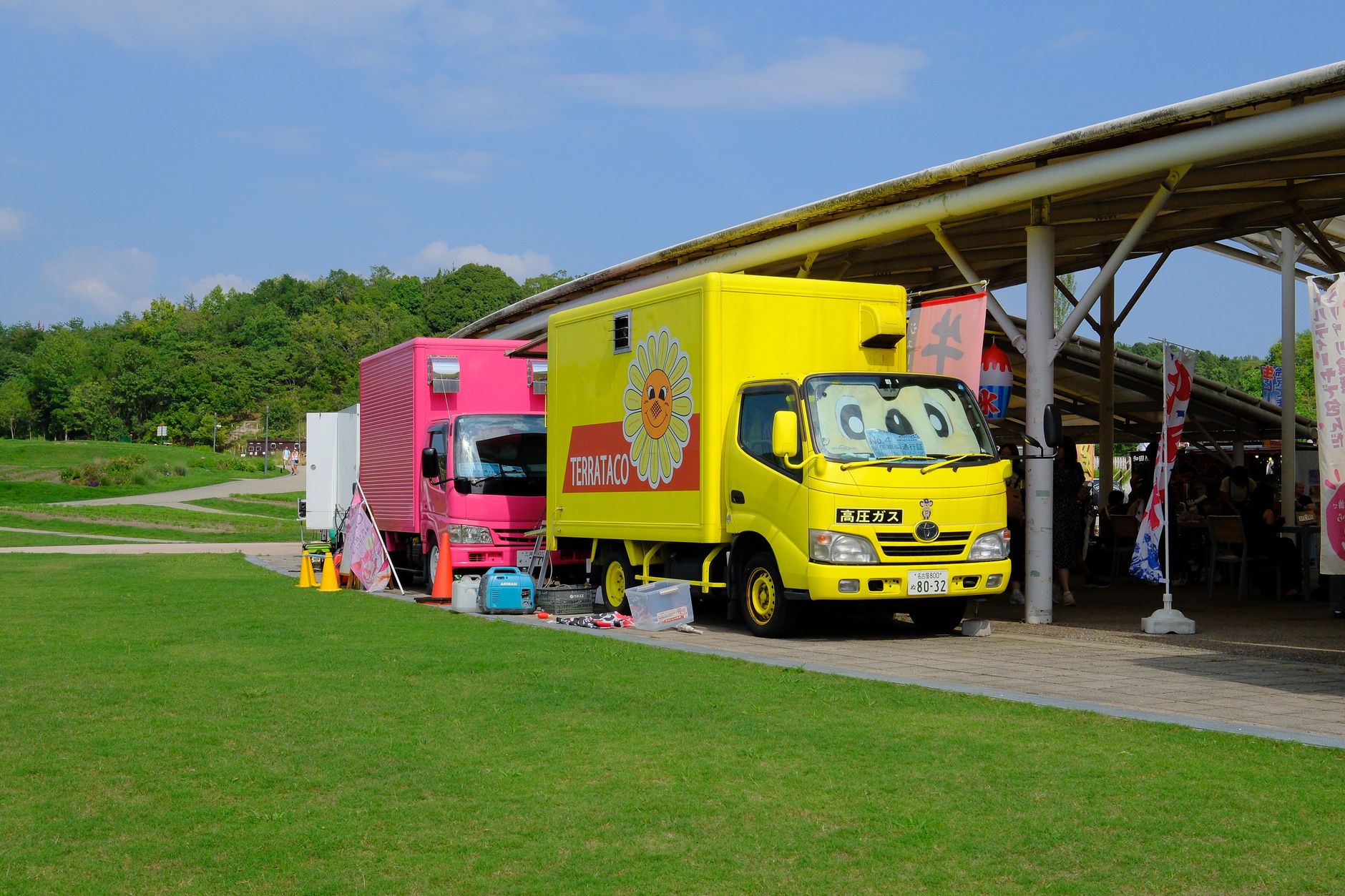
Social Media Marketing for Food Trucks
Content Marketing for Food Trucks is the core of what Qeystone does for food trucks businesses. Need food truck social media marketing? You're in the right place. Your food deserves a crowd — and the right Food Trucks content & social media strategy turns hungry scrollers into loyal customers. Qeystone builds and runs your entire content engine so you can focus on the food, not the feed. We also specialize in Food Truck Content Strategy.
Why Social Media Marketing for Food Trucks Is the Whole Game
A food truck has no permanent address, so the honest answer to "where are you parked today?" lives on Instagram and TikTok rather than a lit storefront sign. That single fact turns social media marketing for food trucks from a supporting channel into the daily engine that decides whether a lunch rush forms at the window or the street stays quiet. Daily location reveals, close-up food video, and brewery-night and festival announcements are what convert a scrolling follower into someone standing in line at 12:15, which is why building a following that travels with the truck is the highest-leverage content investment most operators can make. Food truck content marketing that treats the feed as a live schedule, not a brochure, is what keeps a moving business findable.
What a Complete Content Program Covers for a Mobile Kitchen
A full program spans social media management that posts the daily location and menu, a content calendar that maps posts to the week's stops, an email and text list built on "we're at X today" alerts, Google Business posts that push schedule and location changes, catering-focused blog content that earns search traffic a feed can't, and video scripts that carry the sizzle and the behind-the-window story. Each channel answers a slightly different version of the same question a hungry follower is asking, and food truck Instagram sits at the center because that is where the day-of decision actually gets made.
Posting the Daily Location So People Can Actually Find You
The post that earns the most direct revenue for a truck is almost never clever — it is a clear photo of today's spot, the cross streets or the brewery name, and the hours, published early enough that someone can plan their lunch around it. A truck working a rotation of office parks, a Thursday brewery night, and a weekend festival needs each of those stops announced on its own rhythm, because a follower who works downtown does not care about Saturday's suburban market and vice versa. Content that reliably answers location first builds the habit of checking your feed before people leave for lunch, which is worth more than a viral clip that never mentions where to find you.
Food Photography and Short-Form Video as the Core Asset
People eat with their eyes first, and a truck selling birria, loaded fries, or a smash burger lives or dies on whether the cheese pull, the pour, and the plating look worth a special trip. Short vertical video of an order being built, shot at the window in good light, consistently outperforms static menu graphics because it carries motion, sound, and craft that a flat photo can't. This is where food truck content marketing separates a truck that looks like a destination from one that reads as just another parked vehicle, and it is content the crew can capture on a phone during a normal service if the habit is built in.
Turning Followers Into the Catering Pipeline That Pays
Street service at $500 to $2,000 a day keeps the lights on, but the corporate and private catering pipeline is what separates a $150,000 truck from a $400,000-plus operator, with catering bookings running $1,500 to $8,000 each at 50 to 60 percent margins against 10 to 20 percent on basic stops. Social content feeds that pipeline directly: an office manager who follows the truck for lunch is the same person who books it for a 60-person company event, so posts that show catering spreads, event setups, and "now booking fall office lunches" quietly move followers toward the highest-value work the truck does.
Announcing Brewery Nights and the Festival Circuit
Brewery and taproom nights at $900 to $2,400 and festival weekends at $6,000 to $15,000 depend on the crowd knowing the truck will be there, and that awareness is manufactured almost entirely through content in the days beforehand. Co-posting with the brewery, tagging the festival, and running a countdown against a specific date turns a partner's audience into your line, and following up with video from the night builds anticipation for the next booking. A truck that treats these appearances as content events, not just shifts, compounds each one into demand for the following weekend.
Building an Owned Audience Off the Rented Platforms
Instagram and TikTok control the reach, and an algorithm change can cut a truck off from the very followers it worked to earn, which is why the program pushes people from social toward an email and text list the truck actually owns. A "text to get today's location" prompt turns a passive follower into a subscriber the truck can reach on a slow Tuesday, and that owned audience becomes the most reliable way to fill a soft lunch or announce a last-minute spot change. Social builds the audience; the list makes sure a platform outage never means an empty window.
Repurposing One Shoot Across Every Channel
A single strong service shoot — a minute of window footage and a dozen clean photos — can become a location reveal on food truck Instagram, a longer TikTok on how the dish is built, a Google Business post about this week's schedule, an email header, and a still for a catering pitch, rather than starting from scratch for each surface. Building the program so one capture session feeds five channels is how a small crew keeps every channel fed without hiring a full-time content person, and it keeps the truck's look consistent wherever a potential customer finds it.
Measuring Content Against Line Length and Bookings, Not Just Likes
Follower count and likes are easy to inflate and rarely pay for propane, so the program is judged against whether posts fill the line at a given stop, grow the text list, and produce catering inquiries. Tracking which spots and which post formats actually drive walk-up traffic and booking-form submissions tells the truck where to spend its limited content time, and it prevents the common trap of chasing reach on content that entertains strangers three states away while doing nothing for the truck's real service area on any given day.
Keeping a Cadence a Working Crew Can Actually Sustain
A truck's team is cooking through the exact hours that content performs best, so a plan built around daily long-form production collapses within a month of real service. A sustainable rhythm — a location post every service day, two or three richer video pieces a week, and event announcements timed to bookings — outperforms an ambitious schedule that quietly dies, because followers reward the truck that shows up predictably in their feed the same way they reward the one that shows up predictably on their corner.
Frequently Asked Questions
How often should a food truck post on social media?
At minimum a clear location post every service day, plus two or three stronger video or photo pieces a week and event announcements timed to brewery nights and festivals — enough to stay findable without burning out the crew.
Do we have to shoot our own food photos and video?
Capturing quick phone clips at the window during service helps enormously, and we build a simple, repeatable habit for that; from there the material is edited, scheduled, and adapted across every channel for you.
Related Reading
For most trucks the bottleneck is not creativity but consistency once service gets busy. Social media management keeps the daily location and food video going during the exact hours the crew is slammed, and content calendar strategy maps every post to that week's stops so nothing gets improvised at 6 a.m. A restaurant with a fixed dining room faces a different version of the same feed problem, and content marketing for restaurants shows how a seated venue approaches it.
From Kitchen to Feed, Fast

We Learn Your Truck Inside Out
We dig into your menu, your vibe, your locations, and your regulars. Every post we create is built around your brand voice — not a generic food truck template.

AI-Powered Content, Built Daily
Our AI-powered content & social media for Food Trucks system generates scroll-stopping posts, location announcements, specials drops, and Reels-ready content — scheduled and published without you lifting a finger.

Followers Become Paying Customers
We track what drives foot traffic, double down on what works, and keep your audience growing week over week — so every post has a purpose beyond likes.
Real Results for Real Trucks
3x
Average increase in Instagram reach within 60 days
40%
More location visit inquiries from social within 90 days
10+
Hours saved per week on content creation and posting
How We Grow Food Trucks With Food Truck Social Media Marketing
Blog Writing & Publishing
SEO-rich blogs written and published for you.
Social Media Management
On-brand posts that keep you top of mind.
Video Script Writing
Scripts that turn views into booked customers.
Email Newsletter
Stay in front of customers with monthly emails.
Google Business Posts
Fresh Google posts that boost your local visibility.
Content Calendar & Strategy
A clear plan for every post and channel.
Ready to Build the Buzz Your Truck Deserves?
Book a free strategy call and we'll show you exactly how Qeystone can turn your social media into your highest-performing sales channel.

Let's talk about your growth
Tell us about your business and we'll show you exactly where AI can win you more customers.