


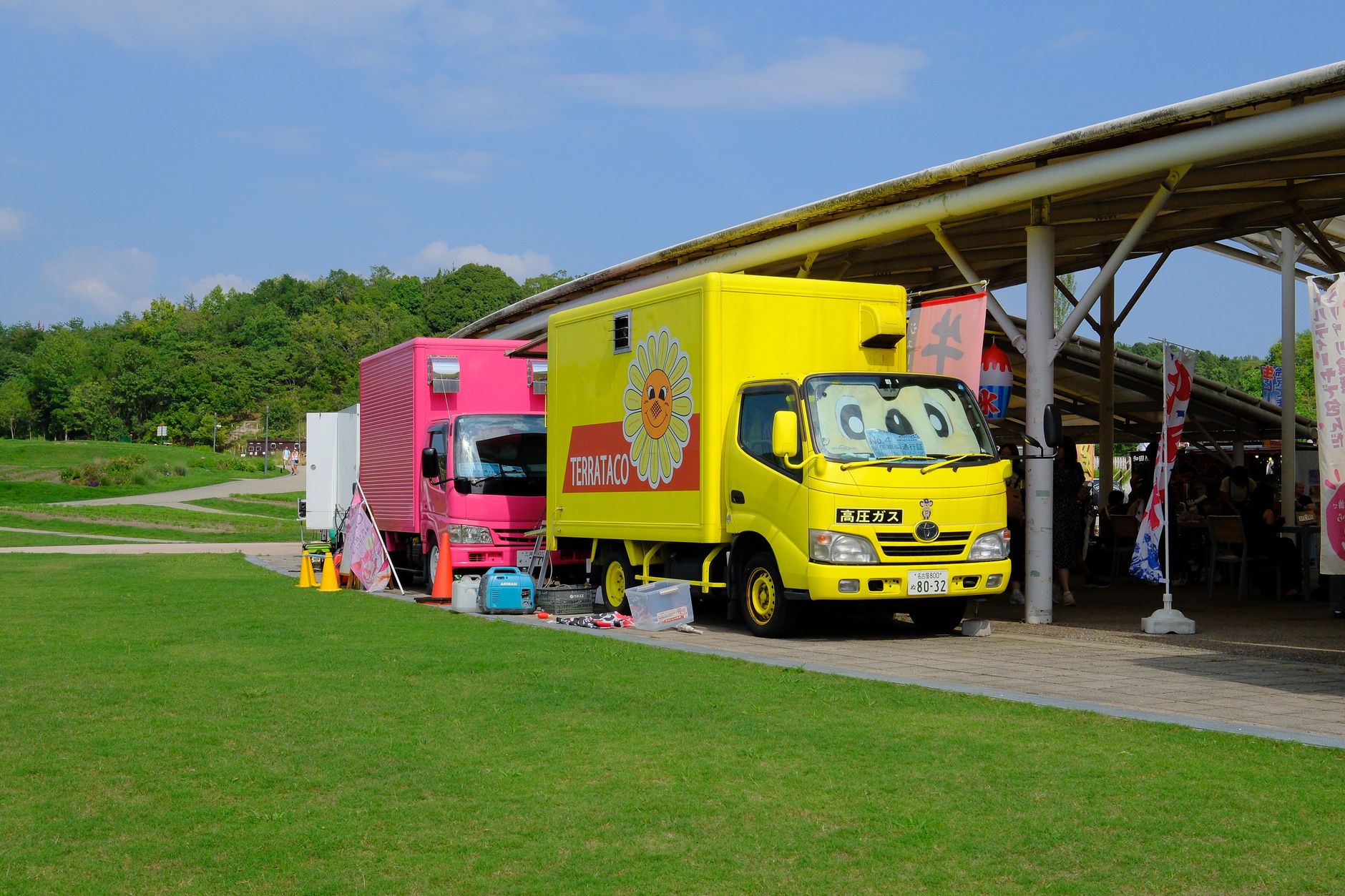
Food Truck Marketing Agency Built to Grow Your Business
The most common belief about food truck marketing is that a great menu and a busy corner are enough, and that word of mouth carries the rest. It holds up until the corner changes. A truck's whole advantage is that it moves, and that same mobility is exactly what makes it hard to find on a Tuesday. Qeystone is a food truck marketing agency built for vendors whose address is different every service. We run the search visibility, the daily location signal, the event and catering pipeline, the pre-order path, and the reviews — done for you, every month.
Fill Your Truck, Every Stop
Qeystone builds AI-powered marketing systems specifically for food truck operators who can't afford slow days or invisible social feeds. We automate your customer outreach, Google presence, and event promotions so hungry locals always know exactly where you're parked. More visibility means more foot traffic — and more foot traffic means real revenue.
How We Grow Food Trucks With Food Trucks SEO Company
AI Agents & Voice AI
24/7 AI agents that answer, qualify, and book jobs by chat and phone.
SEO & GEO
Rank in Google and get cited by AI search across your service area.
Digital Advertising
Profitable paid campaigns on Google, Meta, and beyond.
Website Design
Fast, modern sites built to turn visitors into customers.
AI Automation & Workflows
Automate the busywork so your team can focus on revenue.
Reputation Management
Earn more 5-star reviews and protect your brand on autopilot.
Content & Social Media
On-brand content that keeps you top of mind, posted for you.
Lead Generation
A predictable pipeline of qualified, ready-to-buy leads.
Marketing a Business That Changes Address Every Day
A restaurant earns a customer once and then keeps the address forever. A truck earns that same customer once and then has to be found again next week, in a different lot, at a different hour. That is the real job. Good food truck marketing treats the schedule as the product: the week ahead published early, the pin updated before service, and the answer to where are you today reaching people before they give up and eat somewhere with a permanent sign.
In practice the schedule should live in one place you control and push everywhere else on its own — the site, the profile, the stories, the text list. When a lot cancels or a festival runs late, one edit updates every surface instead of five, and nobody has to remember the fifth. Regulars stop guessing. The people who almost found you last month finally do. A food truck marketing company earns its keep on that plumbing long before it earns anything on creative.
Local Search Without a Fixed Address
A food truck can hold a Google Business Profile, but it behaves differently than a storefront listing. Vendors without a public address set the profile to serve an area instead of displaying a street, keep hours that match real service windows, and post as the week shifts. Exterior shots of the truck matter more than interior ones, because the truck itself is the landmark people scan a block for. A food truck marketing agency should be drawing that service area honestly around the lots you actually park in.
Search pages then carry what a profile cannot. A page for each district you work regularly, a page for catering and private hire, and a page for the events calendar give search engines something specific to rank and give planners something they can forward. Those pages should name real neighborhoods, real venues, and real dishes rather than filler, because the queries that convert are almost never the word truck standing alone. They are a cuisine plus a place.
Events, Festivals, and the Bookings That Fill a Slow Week
Street service is exposed to weather, permits, and whoever parked in your spot first. Event and private bookings are not. A rained-out Saturday costs a whole day of revenue, while a wedding signed in March is money already sitting on the calendar. So a food truck marketing company should build the booking side as deliberately as the daily service side: organizer outreach, a genuine quote request path, and pages that answer headcount, minimums, travel radius, and power requirements before a planner has to ask.
The pipeline itself is unglamorous, and it is where most bookings quietly die. An inquiry lands while the owner is mid-service with a line out front, and the reply goes out eight hours later to a planner who has already called someone else. An automatic acknowledgement, a saved quote template, and a follow-up sequence that runs unattended turn late answers into same-hour answers. Reply speed is the least glamorous of the food truck marketing ideas we deploy, and the fastest to pay off. Coordinators book the vendor who responded, not the vendor with the nicer photographs.
Turning Followers Into People Who Check Your Location
Social is where most food truck marketing ideas start and stop, usually as a feed of plated close-ups. The higher-value use is utilitarian: today's stop, today's hours, today's sold-out item. Followers who learn that your account reliably answers where and when will open it before lunch out of pure habit, and habit is the entire game for a vendor with no sign on a building. The food photography still matters, but it buys attention rather than delivering the information.
Owned channels count for more here than they do for a fixed location. A text list and an email list travel with you when a platform changes its ranking or a lot falls through, and a message that reads corner of Fifth and Main, open until three is the closest thing a truck has to a lit storefront. Build the list at the window with a sign and a short code rather than through a campaign, and send rarely enough that people stay subscribed.
Pre-Orders, Pickup Windows, and a Shorter Line
The line is the constraint that caps a good day. Past a certain length, people count heads and walk. Pre-orders pull part of the rush off the window: a pickup time the customer chooses, payment taken up front, and a batch the kitchen can actually plan around. Among food truck marketing ideas, that one is unusual because it raises throughput rather than demand. It also produces something street cash never has, which is a customer record with a phone number attached to a real order.
Those records are what makes everything else compound. A first-time buyer can be asked for a review that evening, told about next week's stop the day before you park there, and reminded that you cater when the office they work in plans a lunch. None of it needs new equipment or a changed menu. It needs the ordering path, the review request, and the follow-up wired together once, so that food truck marketing keeps working while the truck is out on the road.
Reputation and Reporting for a Vendor With No Front Door
Reviews are the only permanent thing a mobile vendor owns. The corner changes, the festival ends, the season turns, but the profile carries every rating forward, and it is usually the first thing a catering client looks at. Asking at the right moment, right after the order rather than days afterward, is most of the work. Responding to the harsh ones matters just as much, because a reply explaining a sold-out item reads very differently from silence to the next person scrolling.
Reporting should track what a truck genuinely controls. A food truck marketing agency worth its retainer reports profile views and direction requests by area, pre-orders by stop, catering inquiries by source, and which events returned enough to rebook — not follower counts. Across a season those figures tell you which lots deserve a standing slot, which festivals charge more than they give back, and where a food truck marketing company should move spend before next spring instead of after it.
Common Questions About Food Truck Marketing
Three questions come up most often. How do customers find us when the pin moves every day? They find you through a schedule published in advance and pushed to every surface at once, so the profile, the site, the stories, and the text list all say the same thing before service starts. What changes when a second truck joins the schedule? The system splits rather than doubles: each truck gets its own location feed and its own stop history, while the profile, the booking pipeline, and the reporting stay shared, so a fleet is run from one calendar instead of three. Should we chase private event bookings or street service first? Street service pays this week and private events pay the whole quarter, so the honest answer is that catering and festival work should be built first because it takes longest to fill, while daily service keeps the lights on in the meantime.
Ready to be easy to find? Tell us the stop you work most often and the event you keep missing out on, and we will build the plan around both. Here is the contrast worth carrying away: a restaurant spends its budget teaching one city a single address it will never change, while a truck spends its budget making sure today's address arrives in front of the right person before the lunch decision is already made.
Ready to Stop Chasing and Start Selling?
Every day without automated marketing is a slow day you didn't have to take — let's fix that now.

Let's talk about your growth
Tell us about your business and we'll show you exactly where AI can win you more customers.