


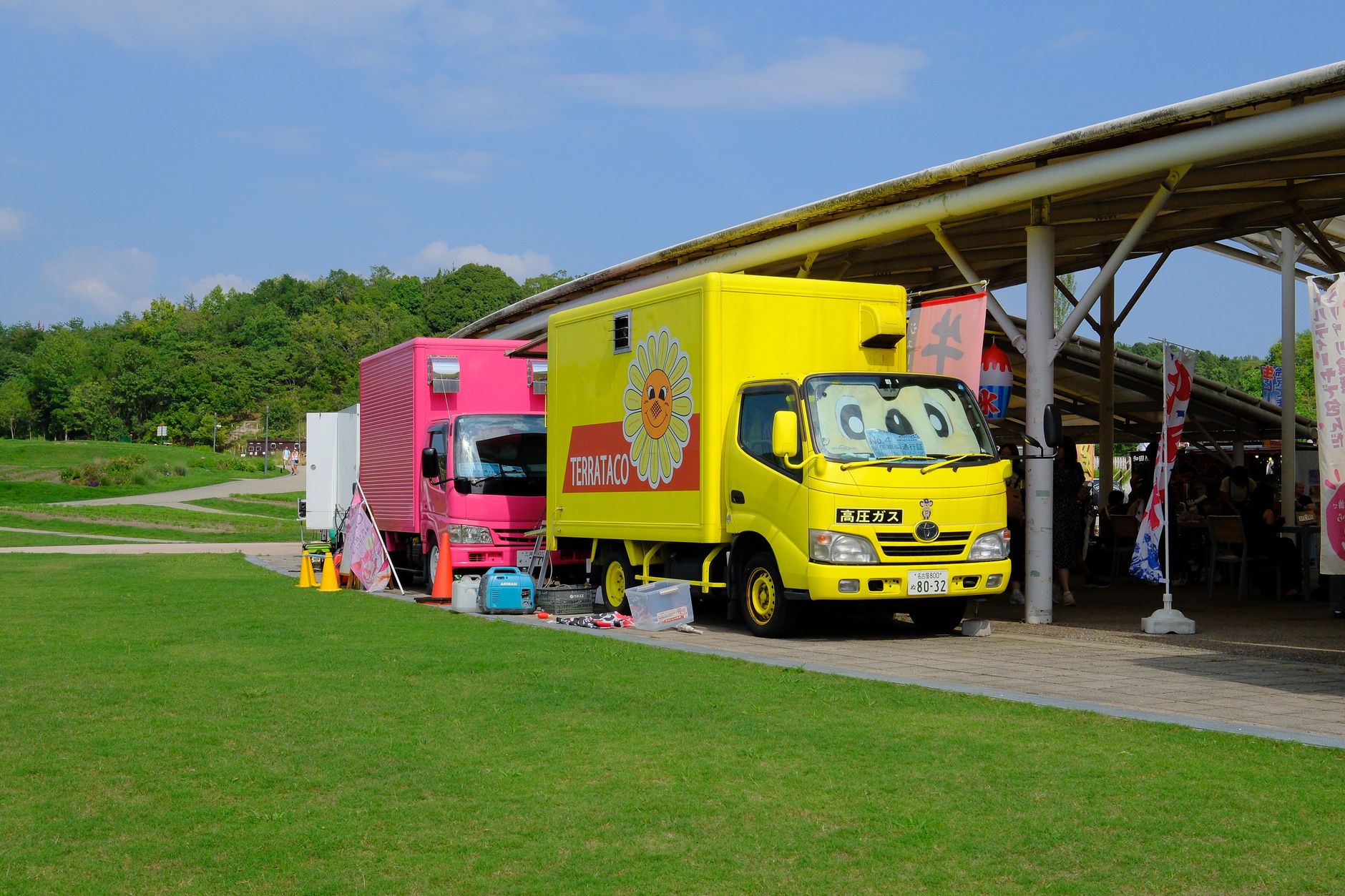
Digital Advertising for Food Trucks
Google Ads for Food Trucks is the core of what Qeystone does for food trucks businesses. Need food truck digital advertising agency? You're in the right place. Stop relying on luck and foot traffic — Food Trucks digital advertising puts your truck in front of hungry customers exactly when and where they're searching. We run AI-powered campaigns that turn scrollers into regulars and keep your window busy all day. From PPC for Food Trucks to Food Truck Facebook Ads, we cover every angle.
Advertising a Business That Moves Every Day
A food truck has no fixed storefront for a customer to walk past, which means paid ads carry a job that a restaurant never has to think about: telling people where the truck actually is this week and where it will be next. The whole point of food truck advertising is closing the gap between a hungry follower and a curb, a brewery lot, or a festival gate. That reframes every platform decision, because the winning message is rarely "try our tacos" and almost always "we're parked at Maplewood Brewing tonight until nine." Location and schedule are the product being advertised as much as the food is.
Tying Ad Spend to What a Stop Actually Earns
The math for a mobile business is unforgiving, so budgets get set against the real revenue of a stop rather than a vanity impression count. A weekday street or lunch shift typically clears $500 to $2,000, a brewery night runs $900 to $2,400, and a booked festival weekend can bring $6,000 to $15,000 against a single set of fees. Food truck advertising has to justify itself against those numbers: spending forty dollars to fill a slow Tuesday lunch is a different decision than spending three hundred to drive a festival crowd, and the two should never share one blended target. Catering is the outlier that changes everything, since a single corporate booking of $1,500 to $8,000 runs at 50 to 60 percent margins versus the 10 to 20 percent a basic street stop returns. Tying ad spend to what a stop actually earns is the discipline food truck ppc management lives or dies on.
What a Complete Digital Advertising Program Covers
A full program spans Facebook and Instagram ads that carry daily-location and event content, Google Search ads aimed at catering and event-booking demand, an honest read on why Google Local Services Ads do not serve food trucks and what to run instead, retargeting to re-reach event crowds and catering-page visitors, YouTube video ads that build recognition ahead of festival season, and ad creative written for a mobile vendor rather than lifted from a sit-down restaurant playbook. Each channel does a distinct job, and the program only works when spend flows toward the ones that fill stops and book catering rather than the ones that simply collect likes.
Why Geo-Targeted Social Is the Center of Gravity
Instagram and TikTok are where food-truck discovery actually happens, because short food video and the daily location-reveal post are the native language of the category. A tight overhead shot of a smash burger hitting the flat-top, captioned with tonight's stop and a countdown, does more than any static banner ever will. Paid social amplifies that content to the specific neighborhoods and follower lookalikes most likely to show up, which is why the ad account and the organic feed have to be built as one system. The creative that earns a save is the same creative worth putting money behind, and the platforms reward accounts that feed them a steady stream of it.
Promoting the Catering Pipeline Where the Real Margin Lives
The difference between a $150,000 truck and a $400,000 operator is rarely the lunch line; it is a corporate catering pipeline of five to ten offices booking on a recurring basis. Ads that only chase walk-up stops leave that money untouched, so a serious program carves out budget specifically to reach office managers, HR planners, and event coordinators who book food trucks for company lunches, launch parties, and staff appreciation days. That audience does not scroll for dinner ideas — it searches deliberately and responds to proof of past corporate events, clear headcount pricing, and a booking form that answers date, location, and budget without a phone tag marathon.
Geo-Fencing Breweries, Festivals, and Office Parks
Because demand clusters around specific places at specific times, geo-fenced targeting draws a radius around a brewery on its scheduled night, a festival footprint over its run, or a dense office park at midday and serves ads only to phones inside it. A brewery-night ad that reaches people already within a few blocks of the taproom converts far better than the same spend sprayed across a whole metro. The same discipline applies to festivals, where awareness in the days before the gate opens turns a fixed booking fee into a weekend that clears well into five figures rather than a break-even gamble.
Retargeting the People Who Already Found You Once
Someone who attended a brewery night, tapped a festival post, or opened the catering page has already raised a hand, and retargeting keeps the truck in front of them instead of letting that interest evaporate. A visitor who read catering pricing but never submitted the form is one of the most valuable audiences a mobile business has, since a recovered corporate booking is worth many walk-up stops. Retargeting also warms up past event crowds for the next appearance, turning a one-time festival visitor into a follower who plans around the schedule.
Measuring Against Booked Stops and Catering Bookings
Clicks and reach are inputs, not outcomes, so performance gets tracked through to filled stops and signed catering bookings. A cheap impression that never produces a line at the window matters less than a slightly pricier one that fills a slow Wednesday or lands a recurring office lunch. The corporate catering pipeline in particular deserves its own reporting, because a single $6,000 monthly account justifies a budget that walk-up conversions alone never could, and blending it into a generic cost-per-click figure hides where the real return is coming from.
Coordinating Paid Ads With the Schedule and Reviews
Paid advertising works best wired into the rest of the operation rather than run off to the side. An ad driving people to find the truck is only as good as the live schedule it points to, and a healthy review profile on the food-truck-finder apps and Google shapes whether a first-time follower trusts the detour. When the same event, menu drop, or catering offer shows up in ads, in organic posts, and on a schedule page that is actually current, the whole system reinforces itself instead of sending mixed signals about where to find dinner.
Starting Small and Scaling Once the Numbers Hold
Given how thin margins run on basic stops, campaigns launch on a modest budget and prove out over 30 to 60 days before spend scales, because a single strong festival weekend or a landed catching account will reveal far more than the first noisy week of data. The goal early on is finding which stops, which events, and which catering messages actually convert, then pushing budget toward those rather than committing large sums to assumptions that real performance may not support.
Frequently Asked Questions
How much should a food truck spend on advertising?
Most operators start with a small monthly budget weighted toward geo-targeted social and catering promotion, then scale over 30 to 60 days once it is clear which stops and bookings the spend actually produces.
Which channel matters most for a food truck?
Geo-targeted Instagram and TikTok tend to drive daily discovery, while search ads and retargeting are what capture the higher-margin corporate catering demand that quietly makes a truck's year.
Related Reading
The people who convert on paid social are the same ones your organic feed feeds, so the social media management program and this one are built together. When a catering inquiry comes in after hours, an AI receptionist keeps that lead from going cold before you get off the line. Restaurants advertise from a fixed address you don't have, and the contrast in tactics is worth seeing in digital advertising for restaurants.
How We Grow Your Truck With Food Truck Digital Advertising Agency

We Map Your Customers and Stops
We analyze your routes, peak hours, and local competition to build a targeting strategy around your real-world schedule. No wasted ad spend on people three cities away — every dollar works your territory.

We Launch Ads That Drive Foot Traffic
From geo-targeted social ads to Google search campaigns, we deploy AI-powered digital advertising for Food Trucks that reaches hungry locals the moment they're deciding where to eat. We write the copy, build the creatives, and manage every campaign.

We Optimize for More Sales, Not Just Clicks
We track what's actually driving customers to your window — not vanity metrics. Every week, we refine your campaigns based on real performance data so your cost per customer keeps dropping and your line keeps growing.
Real Results for Food Trucks
3.8x
Average return on ad spend for food truck clients
62%
Increase in new customer visits within 60 days
40%
Reduction in cost per customer acquisition
How We Grow Food Trucks
Google Search Ads
Capture high-intent searches the moment they're ready to buy.
Facebook & Instagram Ads
Reach local customers where they scroll every day.
Google Local Services Ads
Pay per lead and show up at the very top.
Retargeting Campaigns
Win back visitors who left before they converted.
YouTube Video Ads
Put your brand in front of local viewers.
Ad Creative & Copywriting
Scroll-stopping creative built to turn clicks into customers.
Ready to Pack Your Food Truck Daily?
Book a free strategy call and we'll show you exactly how we'd advertise your truck to the right crowd.

Let's talk about your growth
Tell us about your business and we'll show you exactly where AI can win you more customers.