


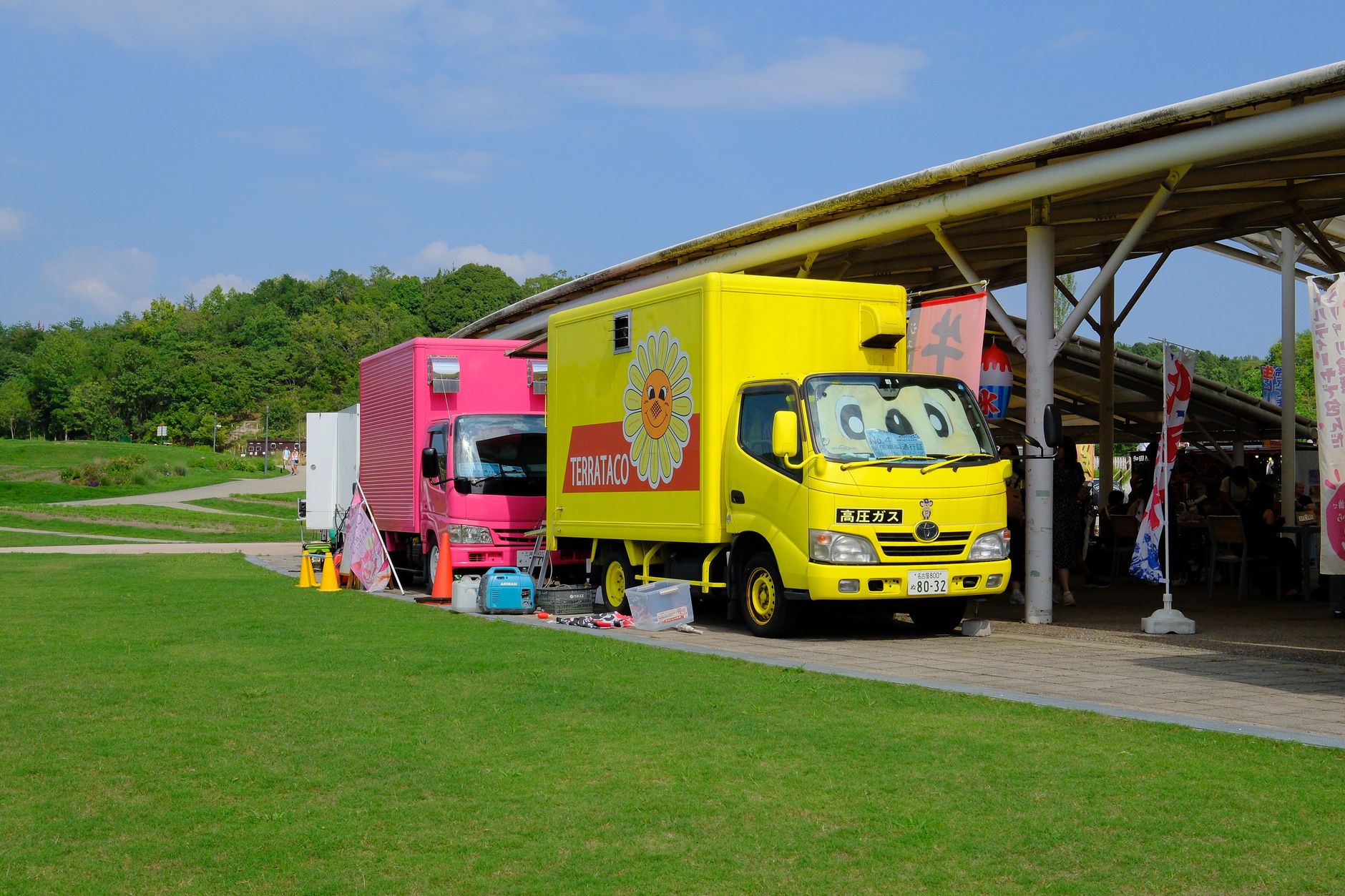
Lead Generation for Food Trucks
Stop chasing catering gigs and private events — let Food Trucks lead generation bring qualified customers directly to your window. Our AI-powered lead generation for Food Trucks puts your brand in front of hungry buyers before they ever search your competitors. Need food truck lead generation agency? You're in the right place. From Food Truck Leads to How to Get Food Truck Leads, we cover every angle. Rather buy the demand than build it? Our wedding food truck lead generation is available as purchasable booking inquiries from engaged couples, metered to the number of Saturdays your truck still has open on the calendar.
Why Lead Generation Works Differently for a Truck With No Fixed Address
A food truck parks on a different corner most days, so the leads that actually move the business rarely walk up to the window — they arrive weeks ahead as a catering or event inquiry carrying a date, a headcount, a location, and a budget. A basic street stop nets 10 to 20 percent, while catering bookings run 50 to 60 percent margins, which is why food truck lead generation is really about filling a booking calendar rather than counting how many people found the truck at lunch. The operators clearing well past $400,000 a year built a corporate catering pipeline of five to ten offices that rebook every month; the ones stuck near $150,000 are still hoping the next festival weekend covers the slow ones.
What a Complete Lead Generation Program Covers
A full program connects a catering and event booking funnel on the site, a CRM that logs every inquiry by date, headcount, and location, a chat widget that qualifies a party the moment someone asks, SMS follow-up that keeps a quote warm, cold outreach aimed at office parks and event planners, and a catering packet worth downloading. Food truck catering leads come from stitching these channels together rather than leaning on one and hoping it holds up through a slow winter.
Segmenting Leads by Booking Type, Not Treating Them All the Same
A stranger asking where the truck will be Friday and an HR coordinator booking lunch for 80 people every other week are not the same lead, and running both through one generic follow-up wastes the one that actually pays the bills. A corporate catering inquiry deserves a fast, detailed quote and a named contact; a brewery-night request needs a schedule slot and a revenue split conversation; a wedding or private event needs a menu tasting and a deposit. Effective food truck lead generation sorts inquiries by booking type on arrival so each gets a process that fits the money on the table.
Building the Corporate Catering Pipeline That Separates Earners
The single biggest lever for a truck is a standing roster of offices, breweries, and event planners that book on repeat. One 80-person office lunch at $12 a head clears more profit than a full Saturday of street service, and it does it without the fuel, the permit-parking hassle, or the weather risk. Building that roster is deliberate outreach and follow-up work, not luck, and it is where the strongest food truck catering leads compound into predictable monthly revenue instead of one-off gigs.
Qualifying Every Inquiry on Headcount, Date, Location, and Budget
Before a quote goes out, four facts decide whether a booking is worth it: how many people, what date, where, and what they will spend. A 30-guest backyard party two towns away on a festival weekend may be a worse use of the truck than a 120-guest office event five minutes from the commissary. Capturing those four fields upfront, at the chat widget or the booking form, filters the inquiries that are genuinely worth a detailed proposal from the ones that would tie up the calendar for thin margins.
Where a Mobile Business Gets Discovered in the First Place
A truck has no storefront a passerby stumbles into, so discovery runs through Instagram daily-location posts, brewery and festival schedules, and food-truck-finder apps rather than a pin on a map. Lead generation has to meet people in those places and route them toward a booking, which means every location post and every event listing needs a clear path to the catering form, not just a photo of the special. The channels that put a truck in front of an event planner are not the same ones that fill the lunch line, and the program plans for both.
Measuring Booked Revenue by Source, Not Just Inquiry Count
A source that sends 40 casual where-are-you-today messages is worth less than one that sends four office managers who each book a recurring lunch. Tracking inquiries through to signed bookings and actual catering revenue, by source, shows where the real money originates so effort shifts toward the channels producing five-figure quarters rather than the ones producing noise. Raw inquiry volume flatters a report; booked-revenue-by-source tells the truth about what to keep doing.
Balancing Booking Demand Against a Single Truck's Capacity
One truck can serve one event at a time, so generating far more catering demand than the schedule can hold creates its own failure — declined bookings, frustrated planners, and a reputation for being unreachable. Lead generation targets are set against realistic capacity, filling the highest-margin dates first and building a waitlist or a second-truck plan only when demand consistently outruns what a single kitchen on wheels can deliver well.
Smoothing the Seasonality Every Truck Lives With
Street and festival revenue swing hard with weather and the calendar, and a truck that only chases those stops rides the swings all year. A booked catering pipeline is the ballast — indoor office lunches and corporate events keep revenue moving through the cold months when the festival circuit goes quiet. Lead generation aimed at recurring bookings is how an operator flattens the peaks and troughs into something closer to a dependable monthly number.
Connecting Lead Generation to the Rest of the Marketing System
Lead generation does not run on its own — the daily-location content, the local search presence, and the reviews from past events all feed how well any single source converts. A planner who finds the truck through a festival listing checks the reviews before sending an inquiry, and a strong catering photo library makes a cold pitch to an office land harder. The program treats these as one connected system so a booking inquiry is the natural end of everything else the marketing is already doing.
Reviewing the Program on a Regular Cadence
Booking patterns shift with the seasons, the local event calendar, and which breweries are running truck nights this quarter, so a program reviewed monthly stays pointed at where the bookings actually are. One left untouched for a year keeps spending on last summer's festival circuit while the office-catering demand that opened up down the road goes to whichever truck bothered to pitch it.
Frequently Asked Questions
How long does it take to build a real catering pipeline?
The first recurring office accounts usually take a couple of months of consistent outreach and follow-up, and the pipeline compounds from there as satisfied planners rebook and refer other offices in the same building or park.
Should a truck chase street traffic or catering leads first?
Street service pays the bills day to day, but the catering and event pipeline is what raises the ceiling, so most programs keep the daily line running while deliberately building recurring bookings underneath it.
Related Reading
Since a booking is worthless once the inquiry slips through the cracks, CRM setup and lead tracking usually needs to be in place ahead of the catering booking funnel, especially for any operator who cannot yet say what winning a single office-lunch account actually cost. Restaurants juggle the same split between walk-in covers and catering revenue, so lead generation for restaurants covers a closely related booking problem.
From Scroll to Sold Out

We Pinpoint Your Ideal Customer
We map exactly who books food trucks — event planners, corporate offices, wedding coordinators, festival organizers — and build targeted campaigns that speak their language and show up where they're already looking.

AI Qualifies Leads While You Cook
Our AI-powered system screens inquiries, filters out time-wasters, and delivers only high-intent leads to wherever you actually check between services. No more cold calls or chasing dead ends — just real people ready to book.

You Close, We Keep the Pipeline Full
While you're running your route, we're running your lead funnel. Every inquiry is tracked, every follow-up is automated, and your calendar fills up with paying events month after month.
Real Results for Real Operators
3x
More catering and event inquiries within 60 days
68%
Reduction in time spent chasing unqualified leads
40%
Average increase in monthly booked revenue
How We Grow Food Trucks With Food Truck Lead Generation Agency
Lead Capture Funnel
Turn website visitors into qualified leads automatically.
Cold Outreach Campaigns
Targeted outreach that fills your pipeline with prospects.
SMS Lead Follow-Up
Text new leads instantly while they're still hot.
Chat Widget & Qualification
Capture and qualify visitors right on your site.
Lead Magnet Creation
Irresistible offers that turn browsers into contacts.
CRM Setup & Lead Tracking
Track every lead from first touch to close.
Ready to Fill Your Calendar with Bookings?
Let's build a lead generation engine tailored to your food truck so you can focus on the food.

Let's talk about your growth
Tell us about your business and we'll show you exactly where AI can win you more customers.