


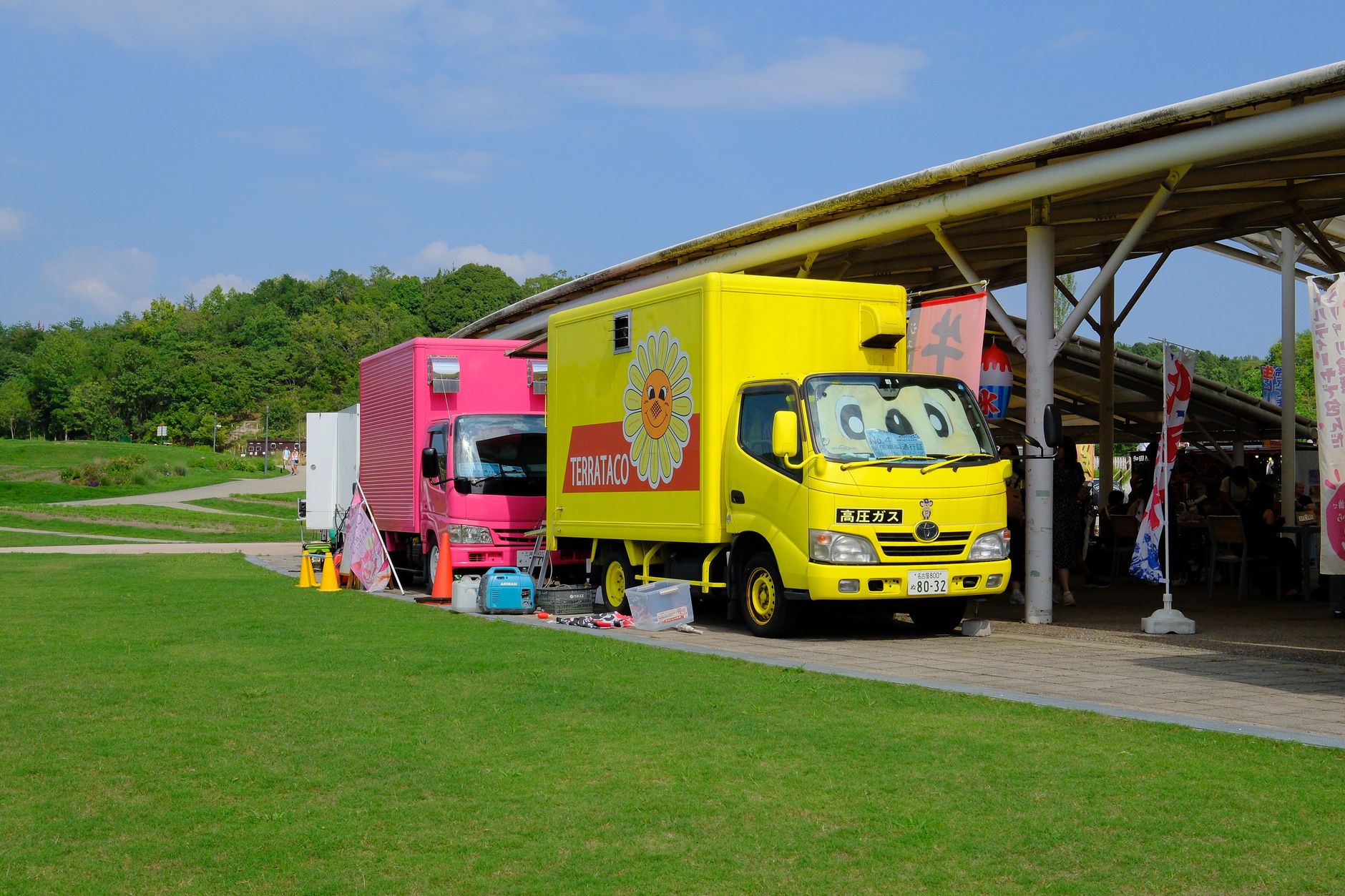
SEO for Food Trucks
SEO for Food Trucks is what Qeystone does best, helping food trucks businesses grow every month. Searching for food truck SEO agency? Qeystone has you covered. When hungry customers search for lunch nearby, your truck needs to be the first thing they find — that's exactly what food truck local SEO delivers. We combine traditional search optimization with Generative Engine Optimization so your truck shows up whether people are Googling or asking AI assistants where to eat. From Local SEO for Food Trucks to Food Truck Search Engine Optimization, we cover every angle.
Search Works Differently When the Business Has No Fixed Address
A restaurant ranks a street corner; a food truck ranks a moving target. The single hardest question a hungry searcher has is not "who serves tacos" but "where is that taco truck parked right now," and everything about food truck SEO services bends toward answering that. Instead of one storefront pin earning reviews for years, a truck lives across a Google Business Profile with a hidden address, a schedule that changes daily, event and brewery listings, and food-truck-finder apps that carry its name to people already looking for somewhere to eat tonight.
What a Food Truck SEO Program Actually Covers
A complete program spans local SEO and Google Maps optimization tuned for a service-area business rather than a static pin, a technical SEO audit that fixes the mobile-speed and schema issues capping a phone-first site, content strategy that gives cuisine and catering their own pages, link building that turns festival and brewery bookings into backlinks, rank tracking that ties positions to actual catering inquiries, and geo/AI optimization so assistants recommending "food trucks near me" name the right one.
Ranking for "Near Me," Cuisine, and the Places Trucks Actually Park
The searches that feed a truck are specific: "food truck near me," "birria tacos downtown," "food truck at the brewery tonight," "Korean BBQ truck for office lunch." A generic homepage competes for none of them well. Dedicated pages for the cuisine, the neighborhoods and breweries on the regular rotation, and the booking services each earn a real shot at their own search rather than betting the whole operation on one broad term every truck in the metro is already chasing. Effective local SEO for food trucks treats the daily location as a signal to keep fresh, not a fixed fact to publish once.
Making the Corporate Catering Pipeline the Priority Search Intent
Daily street stops might clear $500 to $2,000 and run on thin 10 to 20 percent margins, while a catering booking lands $1,500 to $8,000 at 50 to 60 percent margins. The five to ten offices booking monthly are what separate a $150K truck from a $400K-plus operator, so SEO weights the searches that feed that pipeline. Terms like "food truck catering near me," "office lunch catering," and "food truck for corporate event" carry far more revenue per click than a walk-up query, and the pages built for them are written to convert a planner comparing three trucks, not just to rank. Making the corporate catering page rank is where food trailer marketing produces bookings rather than followers.
Turning Brewery Nights and the Festival Circuit Into Search Assets
A truck that works a taproom every Thursday and the festival circuit through summer already has the raw material for local relevance and links most businesses have to manufacture. Brewery night listings, event calendars, and festival vendor pages both send searchers directly and pass authority back to the site when they link out. Building content around the regular brewery and event rotation captures people searching for something to do near that venue, a group with clear intent and money already set aside for the evening.
Getting the Menu and Cuisine to Do Ranking Work
A specific cuisine is an SEO advantage a generic "American food" truck never gets. Content that names the actual dishes, the regional style, and the dietary options surfaces for the long-tail searches people run when they know roughly what they want, and it reads as a real kitchen rather than a thin page that could belong to any vendor. Menu pages built around genuine terms customers search, from "vegan food truck" to a signature dish by name, capture intent that broad category pages leave on the table.
Answering "Where Are You Today?" Before a Competitor Does
The gap between a truck people can find and one they can't is usually a few hours of stale information. If a Google profile, an aggregator listing, or a schedule page shows last week's location, a ready customer gives up and eats elsewhere. Part of a food truck SEO program is keeping the surfaces that answer that question current and consistent, so the truck's location is discoverable the moment someone decides they want it, not a day later once the lunch rush has already moved on.
Measuring SEO Against Bookings, Not Just Positions
A page ranking well for a cuisine term that never produces a catering inquiry matters less than a page in a lower position that fills the weekend calendar. Reporting ties keyword movement back to booking-form submissions, catering emails, and event inquiries rather than tracking position in isolation, because the point of local SEO for food trucks is a fuller schedule and a longer catering waitlist, not a screenshot of a ranking that never turned into revenue.
Where SEO Ends and Instagram Begins
A truck's daily-location posts live on Instagram, and SEO does not replace them. What search does is capture the people who are not already following the account, the office manager who has never heard of the truck but needs lunch for forty, the festivalgoer searching for options near the venue. The two work as a pair: social keeps existing fans fed and informed, while search brings in the strangers who become the catering clients and repeat regulars a following alone would never reach.
Building From an Honest Baseline Instead of Hype
Roughly 60 percent of food trucks fail in year one, and underestimating what growth actually costs is the top killer, so food truck SEO services start by establishing where the site genuinely stands, which searches it already surfaces for, and which high-value catering and event terms it misses entirely. Setting targets without that baseline invites the same overreach that sinks trucks in the field, and honest budgeting toward the searches that pay is worth more than a promise to rank for everything at once.
Why This Work Compounds Across Seasons
Paid ads stop the day the budget stops. A catering page that ranks, a festival backlink that stays live, and a Google profile with a steady stream of reviews keep working through the slow winter months and into the next festival season without additional spend. Each month of content, citations, and links adds to what is already there, which is what makes search a durable asset for a business whose revenue swings hard with the weather and the event calendar.
Adjusting as Discovery Habits Keep Shifting
Diners increasingly ask an AI assistant where to eat, check a food-truck-finder app, or search directly inside a maps product rather than typing a query and scrolling. A strategy set once and left alone falls behind these habits, so an ongoing program reviews how the truck shows up across each surface and shifts emphasis as customer behavior moves, rather than running the same playbook regardless of where people have actually gone to find their next meal.
Frequently Asked Questions
How does SEO work for a business that changes location every day?
The Google Business Profile is set up as a service-area business with a hidden address, and the schedule, aggregator listings, and event pages carry the day-to-day location while the site earns rankings for cuisine and catching terms that stay put.
What should a food truck rank for first?
Usually the catering and event booking terms, since those searches produce the highest-margin bookings, followed by cuisine and neighborhood searches that feed daily street and brewery service.
Related Reading
Because most "food truck near me" searches resolve inside Maps before any website loads, local SEO and Google Maps does the bulk of the work for a truck, while a technical SEO audit stops a slow, phone-first site from quietly capping everything else. Caterers chase the same monthly office-booking pipeline a truck lives on, so SEO for catering companies covers the corporate-lunch search intent from the fixed-kitchen side.
We Put You on the Map

Audit Your Digital Footprint
We analyze how your truck currently appears across Google, Apple Maps, Yelp, and AI-powered search tools. Most food trucks are invisible online — we find exactly why and build a fix-first roadmap tailored to your stops, schedule, and cuisine.

Optimize for Search and AI
We sharpen your Google Business Profile, build location-specific pages for every neighborhood you serve, and structure your content so AI tools like ChatGPT and Perplexity recommend you by name. Better Google ranking for food trucks doesn't happen by accident — it's engineered.

Turn Searches Into Crowds
With your visibility locked in, we track real results — foot traffic signals, direction requests, call clicks, and menu views. You'll know exactly which digital touchpoints are driving people to your window.
Results That Move With You
3x
More 'near me' search appearances in the first 90 days
68%
Average increase in Google Maps direction requests
Top 3
Local pack placement for high-intent food searches
How We Grow Food Trucks With Food Truck SEO Agency
Local SEO & Google Maps
Rank in the local map pack where customers search.
Technical SEO Audit
Find and fix what's holding your rankings back.
GEO/AI Search Optimization
Get cited by ChatGPT, Gemini, and AI search.
Link Building
Earn authoritative backlinks that lift your rankings.
Content SEO Strategy
Target the keywords your customers actually search for.
Rank Tracking & Reporting
See exactly how your rankings and traffic grow.
Ready to Park Where Customers Can Find You?
Book a free strategy call and we'll show you exactly where your food truck is losing customers online — and how fast we can fix it.

Let's talk about your growth
Tell us about your business and we'll show you exactly where AI can win you more customers.