


HVAC Content Marketing That Explains the System Behind the Wall
HVAC content marketing from Qeystone teaches homeowners about the equipment hidden in their attic and side yard. We write troubleshooting posts that say which checks are safe and where a technician takes over, script short videos your techs film at real jobs, time social posts to the first heat and the first cold night, and send separate newsletters to plan members and owners of older systems.
HVAC Content Marketing for Equipment Nobody Looks At
HVAC content marketing has an odd job: teaching people about a machine they have never really looked at. The furnace sits in an attic or basement closet and the condenser is a gray box by the side fence that gets noticed only when it goes quiet on a hot afternoon. Most homeowners can't name their system type or find the filter slot.
That ignorance shows up in your phones twice. Once as the panicked call on a no-cool day, from someone who can't tell you what they have. And once as the replacement decision, when a homeowner is choosing between quotes for equipment they don't understand and is quietly afraid of being sold too much. Qeystone writes, scripts and publishes for both moments for residential heating and cooling contractors, so the caller already knows a little about their own system and who explained it.
An HVAC Blog Built on Honest Troubleshooting
The posts homeowners actually search are the ones written in a moment of discomfort: the AC runs but the air is warm, the furnace starts and shuts off, the outdoor unit is covered in ice, water is pooling under the air handler. An HVAC blog that answers those questions well does something that feels backwards. It tells the reader what they can safely check themselves before calling.
So each troubleshooting post walks through the homeowner-level checks in order: the thermostat mode and batteries, the filter, the breaker, a blocked return, debris packed against the outdoor coil. Then it draws a firm line where the homeowner stops, at anything involving refrigerant, the electrical components inside the cabinet, or the gas side of a furnace, and says plainly why that work belongs to a licensed technician. The reader who fixed a tripped breaker for free remembers who told them how, and calls that company when the next problem is a failed capacitor.
Beside that library sit the explainers: how a heat pump moves heat instead of making it, when ductless suits a house without ducts, and what a maintenance visit actually involves.
The Replacement Guide Without a Price Tag
The largest purchase most of your customers will ever make from you is a full system replacement, and it is the one they research hardest. The cornerstone guide for that buyer explains the decision, not the cost: why load sizing matters more than the brand on the cabinet, why an oversized unit short-cycles and leaves a house clammy, what to ask when two quotes differ on ductwork, what a line set is and when it gets replaced, and what the crew will actually do on install day.
We do not publish efficiency ratings, rebate amounts or savings estimates as facts. Equipment standards, incentive programs and utility offers change, vary by area, and age badly on a page. Where a guide has to mention them, it names the topic, points the reader to ask during the estimate, and carries a visible review date so your office knows when the page was last checked by someone who knows the current rules.
HVAC Video Content Led by the Technician Who Shows Up
Letting a stranger into the house, often into the bedroom closet or the attic, is the real hurdle in residential service, and video is the fastest way over it. HVAC video content we script puts your own technicians on camera at real equipment, in uniform, with the normal noise of a job running in the background.
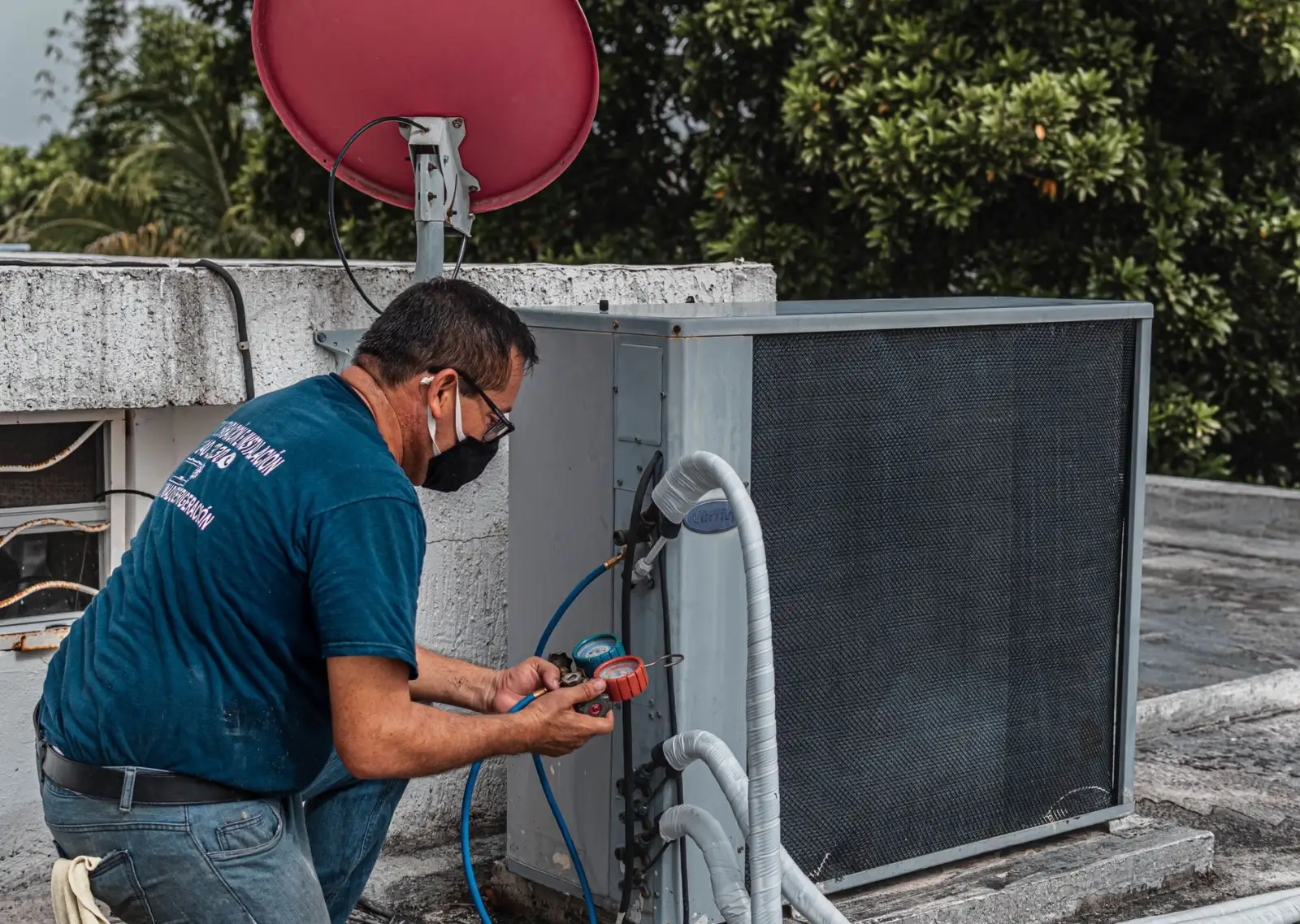
The scripts are short and specific. A tech holds a clogged filter next to a new one and explains what the blower has been pulling through. Another opens a condenser panel, points at the capacitor and the contactor, and says what each one does without touching anything live. A sound clip lets viewers hear a normal blower startup beside a grinding one. The install-day walkthrough follows the job from old equipment out to startup checks and the thermostat lesson at the end, so the next customer knows what the day looks like. Each comes with a shot list your crew can capture on a phone between calls; we edit and caption the footage.
HVAC Social Media Marketing Around Weather and Neighbors
HVAC social media marketing works best when it follows the weather your customers are living in. The week of the first real heat, the feed carries the three checks to do before the AC runs for the first time. The first cold morning, it explains the dusty smell many furnaces give off when they run after a summer off, and when a smell is not normal and the system should be shut down.
Social media marketing for HVAC companies also lives in neighborhood groups, where someone asks every summer whose AC guy is good. We write the posts that make your name an easy answer there: technician introductions with a name and a face, tidy installs with a clean line set and labeled disconnect, the strange things found in return ducts. Captions explain what the photo shows; they do not promise a lower bill.
Newsletters for Plan Members and Older Systems
Your past customers and maintenance plan members already let you in once, which makes the newsletter the most trusted channel you have. We write it in separate editions instead of one broadcast. Plan members get an issue before each seasonal visit explaining what the technician checks and why, which keeps the plan feeling earned. Customers whose records show older equipment get honest pieces on the signs that a system is near the end of its life, so a replacement conversation does not arrive as a surprise. Everyone gets the filter reminder, a project story from a nearby street and a referral line.
Which questions are worth turning into pages is worked out by the people who track what homeowners search; this page covers what gets written and filmed.
An Editorial Calendar Set by the Shoulder Seasons
Heating and cooling demand peaks in the hard weeks of summer and winter, and those are exactly the weeks your technicians have no time to film and your office has no time to approve a post. So the calendar does its building in the mild months. Spring and autumn are when cornerstone guides get written and refreshed, demonstrations get shot, and tune-up content runs while there are still open slots.
The peak-season material is prepared ahead and held: the heat wave post, the no-heat night post, the what-to-do-while-you-wait checklist. When the weather turns, your office approves a ready draft and it goes up the same day. Every technical piece gets a read from your lead tech before it publishes, because a homeowner who spots one wrong detail about their own equipment stops believing the rest.
Frequently Asked Questions
Should an HVAC contractor publish troubleshooting posts that help homeowners avoid a service call?
Yes, within limits. Posts that walk through safe checks like the thermostat, filter, breaker and a blocked outdoor coil build trust because they are genuinely useful. Each post should stop clearly at refrigerant, internal electrical parts and gas, explain why that work needs a technician, and make booking easy for the reader who gets that far.
Who should be on camera in HVAC video content, the owner or the technicians?
Mostly the technicians, because they are the people homeowners will actually let into the house. A short clip of a tech explaining a filter or a condenser at a real job does more to ease that worry than a polished message from the owner. The owner fits best in pieces about warranties, guarantees and how the company handles a problem.
Can HVAC content mention rebates and efficiency ratings without going out of date?
Only carefully. Incentives and equipment standards change and differ by area, so content should name the topic, tell the reader to ask about current programs during the estimate, and show a review date. Specific amounts or ratings should appear only when they come from a current source and someone is responsible for rechecking them.
From Service Calls to Scripts

We Mine Your Service Calls
We sit with your dispatcher and lead tech to list the questions homeowners ask on no-cool and no-heat calls and during replacement estimates, agree where safe homeowner checks stop, and decide who on your crew is comfortable on camera.

We Write It and Script the Shots
We write the troubleshooting library and the replacement guide, then script short technician clips with shot lists a crew can film on a phone between calls. Your lead tech reads every technical piece before it goes live.

We Publish Ahead of the Weather
We build and film in the mild months, hold heat wave and no-heat drafts ready for one-click approval, post to social and your Google Business Profile, and send plan member and older-system newsletters as separate editions.
What Lands on Your Channels
Safe-check guides
Troubleshooting posts that stop where the technician starts
Tech-led clips
Scripts and shot lists your crew films at real jobs
Split newsletters
Plan member and older-system editions sent separately
Explain the System Before the Call Comes
Book a call and we'll outline your first troubleshooting posts, the technician clip to film first, and how your heat wave and no-heat drafts would be ready before the weather turns.

Let's talk about your growth
Tell us about your business and we'll show you exactly where AI can win you more customers.