


Roofing Content Marketing That Shows the Roof
Qeystone's roofing content marketing puts the homeowner on the roof without the ladder. We script roof inspection videos your crew can send with each estimate, film the tear-off where rotted decking turns up, write guides from the questions your office hears after every hailstorm, and draft the storm kit in the quiet months so it is ready the morning after the weather.
Roofing Content Marketing for a Product Nobody Can See
Roofing content marketing has a problem no brochure solves: most homeowners have never stood on their own roof. They see a water stain on a bedroom ceiling, granules collecting in the gutter, a neighbor's dumpster after a hailstorm, and they have to decide whether to call someone about a surface they cannot look at. Most of what a roofer publishes should close that gap: show what is up there and explain what it means.
Qeystone writes, scripts and publishes that material for roofing contractors: inspection footage, damage explainers, project stories from tear-off to ridge cap, and a storm kit drafted before the weather arrives. Each piece is assigned before production to one of three readers: a homeowner worried about damage, a homeowner planning a replacement, or a past customer who might send a neighbor your way.
Roof Inspection Videos Show the Homeowner Their Own Roof
The most useful thing a roofer can film is the inspection itself. An inspector on the roof with a phone, walking each slope and narrating what they find: lifted tabs along a rake edge, cracked boots around plumbing vents, flashing pulling away from a chimney, bare patches in the valleys, a soft spot near the eave. Shot steady and close, then sent with the estimate, roof inspection videos do what a photo set and a line item cannot. The homeowner sees the reason behind every line of the proposal.
The same footage, with the owner's permission and the address kept out of frame, becomes public material. We script a short, repeatable format for it: the walk, the finding, the plain-language explanation, and what the crew would do about it. One rule is written into every shot list: film what is on that roof and nothing else. A clip that exaggerates damage, or borrows a close-up from a different job, is exactly what homeowners have learned to distrust from storm chasers.
Roofing Video Content That Starts at Tear-Off
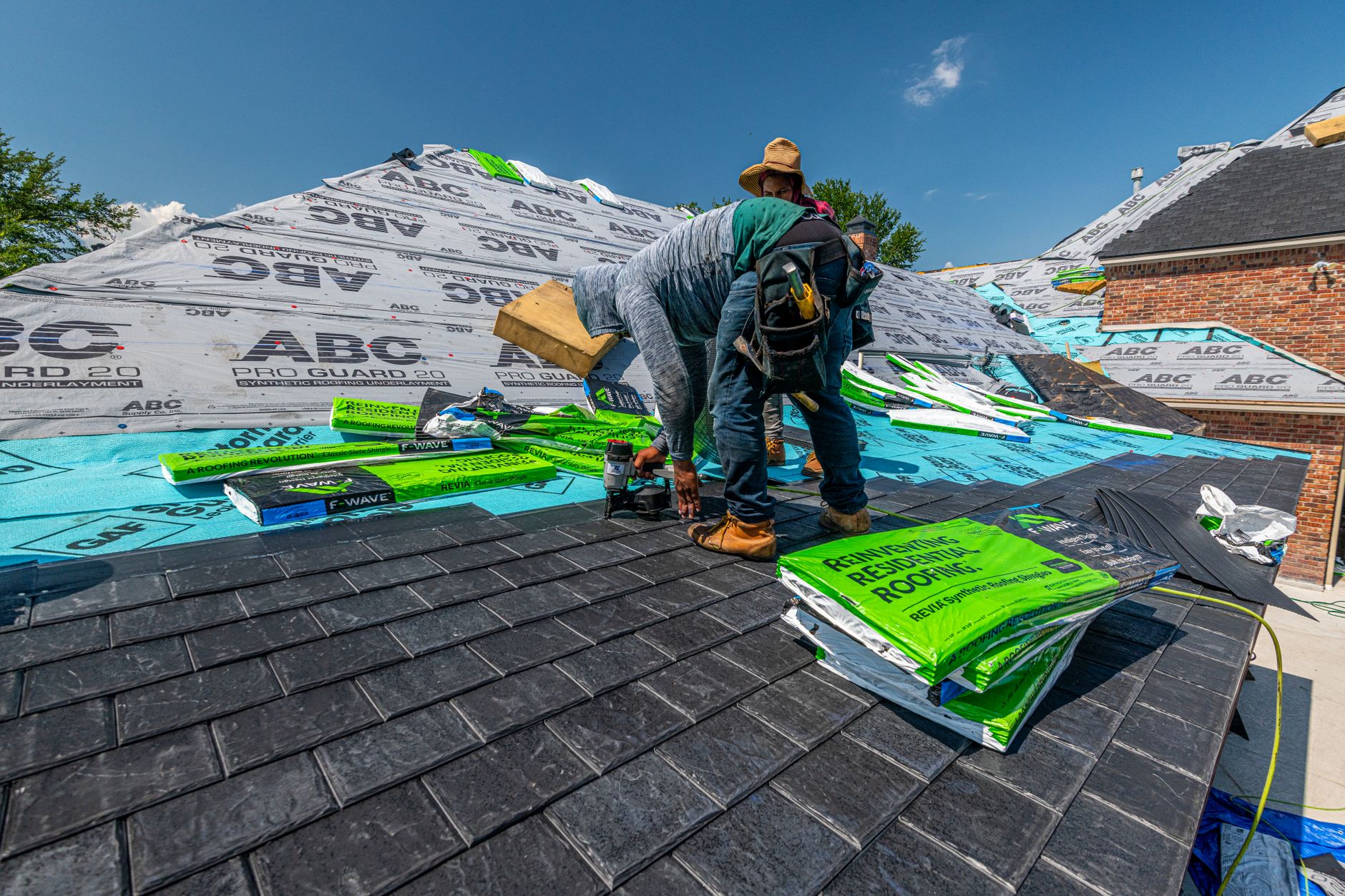
Most roofing video content jumps straight to the finished roof from a drone, and a finished roof looks like every other finished roof. The persuasive footage is in the middle of the job. When the old shingles come off, the decking is visible for the first time, and that is where homeowners learn why a replacement estimate can change: rotted boards under a leaking skylight, a second layer of shingles nobody knew was there, felt that had been holding water for years. We script that reveal as its own clip, filmed the moment it is found, so the explanation for a decking change order exists before the homeowner asks for one.
The rest of the sequence follows the build in order: underlayment going down, ice and water shield in the valleys and along the eaves where the climate calls for it, new step flashing at the walls, ventilation at the ridge, and only then the aerial shot. Flying a drone for a business has its own rules, so the shot list names who on the crew is cleared to fly before any scene depends on an aerial.
A Roofing Blog Built From the Calls Your Office Already Takes
The topics for a roofing blog are already in the office's call log. Is this hail damage or just an old roof? Can one section be repaired, or does the whole thing have to go? Why is there a leak when the shingles look fine? Is metal worth it on a house like mine? Each question becomes a guide written in a roofer's vocabulary rather than a home-improvement magazine's: wind creases, exposed mat, failed pipe boots, step flashing, ice dams, an attic with too little ventilation baking the shingles from underneath.
Repair-or-replace and material guides are written so the honest answer is sometimes the smaller job. A homeowner who reads that a leak beside a chimney is often a flashing problem rather than a roof problem remembers who told them. Guides that touch insurance stay on what damage looks like and how to photograph it from the ground, and send the reader to their own policy and insurer for anything about coverage; the blog never predicts a claim outcome. Cost pages explain what moves a price, such as pitch, layers to remove and decking condition, without quoting figures.
The Storm Kit Is Written Before the Storm
Hail and high wind arrive without a publishing schedule, and a roofer who starts writing after the storm publishes into a feed already crowded with out-of-town crews knocking on doors. So the storm material is drafted in the quiet months and approved in advance: a damage-identification guide that can be dated and localized, social posts showing what hail and wind leave on shingles, gutters and soft metal vents, a Google Business Profile update saying which neighborhoods the crew is inspecting, and a check-in email for past customers in the path of the storm.
When the weather hits, the job is filling in the date, the area and real photos from the first inspections. The kit tells homeowners how to look from the ground, warns them off climbing onto a wet or damaged roof, and explains how to check a contractor's local address and history before signing anything. That last piece sets a roofer with a permanent yard apart from the trucks that leave once the work dries up, without naming anyone.
Roofing Social Media, Newsletters and Project Stories
Roofing social media starts on the street, not on the feed. Neighbors notice the dumpster, the shingle delivery and the yard sign, and then they look the company up. What they should find there is project stories from their own area: the problem the homeowner called about, what the inspection showed, the shingle line and color chosen, a tear-off clip and the finished roof, posted with the owner's permission and without the house number.
The email newsletter runs to two lists. Past customers will not need another roof for many years, so their issues are about upkeep and the neighbor who might: clearing gutters before the leaves drop, what to look for after a windstorm, a recent job nearby, and a plain referral ask. Homeowners who got an estimate and never signed receive the guides that answer whatever probably stalled them, such as repair versus replace or which material suits the house. Commercial work gets its own track, with flat-roof upkeep pieces on TPO and EPDM for property managers.
Which searches each guide should answer is decided by the people mapping what homeowners type; the work described here is writing and filming it.
A Calendar That Bends Around the Weather
A roofing content calendar runs on two clocks. The planned one follows the year: inspection guides before storm season, replacement and material pieces through the busy months, ice-dam and pre-winter guides in the fall where winters freeze, and in the slow months the planning content homeowners read before booking next year's roof. The second clock is the weather, and it overrides the first. When a storm crosses the service area, the scheduled posts move back and the storm kit goes out.
Storm seasons differ from one region to the next, so the calendar is set from the contractor's own job history rather than a national template. The slow months are for restocking the storm kit, updating stale guides and editing the footage the crew shot in season.
Frequently Asked Questions
Should a roofer send an inspection video with every estimate?
Where the roof can be walked safely, yes. A short narrated walk of the slopes shows the homeowner the damage or wear behind each line of the proposal, and it reaches the family members who were not home for the visit. Footage only goes public with the owner's permission and with the address kept out of frame.
Can a roofing blog cover storm damage and insurance without giving advice?
Yes, if it stays on what the roofer actually knows. Guides explain what hail and wind damage look like, how to photograph it safely from the ground, and how an inspection works. Anything about coverage, deadlines or claim outcomes is sent back to the homeowner's own policy and insurer.
What should a roofing crew film during a tear-off?
The moment the old roof comes off and the decking is visible, especially anything rotted, soft or unexpected, then each step of the rebuild in order: underlayment, ice and water shield, flashing, ventilation and the finished roof. Short single-step clips are easier to explain to a homeowner and reuse than one long video.
From the Ridge to the Feed

We Sort What You Want Shown
We go through your job mix, from storm repair and full replacements to commercial flat roofs, and your call log, then assign every planned piece to a damage-worried homeowner, a replacement planner or a past customer. We also agree who on the crew films and who flies the drone.

We Script the Roof and the Rebuild
We write a repeatable inspection-video format, a tear-off shot list that catches the decking the moment it shows, and guides on hail, wind, leaks and materials. The storm kit is drafted and approved before the season, with blanks for the date, area and photos.

We Publish Around the Weather
We post project stories with owner permission and no house numbers, send past customers and unsigned estimates separate newsletters, and keep the calendar on schedule until a storm crosses your area, when the planned posts move back and the storm kit goes out.
What Your Crew Gets to Film and Send
Inspection walks
A narrated roof video format sent with each estimate
Tear-off lists
Shot lists that catch the decking when it first shows
Storm kit
Guide, posts, profile update and email, approved in advance
Show Homeowners What Is on Their Roof
Book a call and we'll sketch your inspection-video format, the first tear-off shot list, and the storm kit we would draft before your next season.

Let's talk about your growth
Tell us about your business and we'll show you exactly where AI can win you more customers.