


Roofing SEO That Has Your Storm Pages Ranking Before the Hail
Roofing SEO for contractors who work across a wide service area and see demand jump after every hail or wind event. We set up your Business Profile as a service-area listing, build town pages around jobs you have finished, give repair, replacement, storm and low-slope work their own pages, fix crawling on photo-heavy galleries, and get your business named where map and AI answers draw from.
Roofing SEO Is Settled Before the Storm Arrives
Roofing SEO runs on a calendar the weather sets. Most of the year, demand is steady: a leak over the kitchen, a roof old enough to worry about. Then hail or high wind crosses the county and the same towns search all at once for storm damage, emergency tarping and someone to look at the roof. A page published the morning after has not been crawled yet, let alone ranked. The pages that win that week were indexed months earlier.
Out-of-town crews follow the storm with fresh listings and borrowed addresses. A roofer who has worked the area for years has what they cannot fake: finished jobs on real streets, a history in the map pack and listings that agree. We plan which pages exist, how they connect, how the Business Profile is set up and what gets tracked. Building and laying out the pages belongs to the team that builds the site itself.
Local SEO for Roofers Starts With a Service-Area Profile
Most roofers never see a customer at the shop. The work happens on the customer's roof, so the Business Profile should be set up as a service-area business, and if nobody comes to the yard, Google's guidelines ask for the street address to be hidden. The primary category is Roofing contractor. Secondary categories should only name work the crew actually does, such as gutters or siding, because a category you cannot back up pulls the profile into searches that will not book.
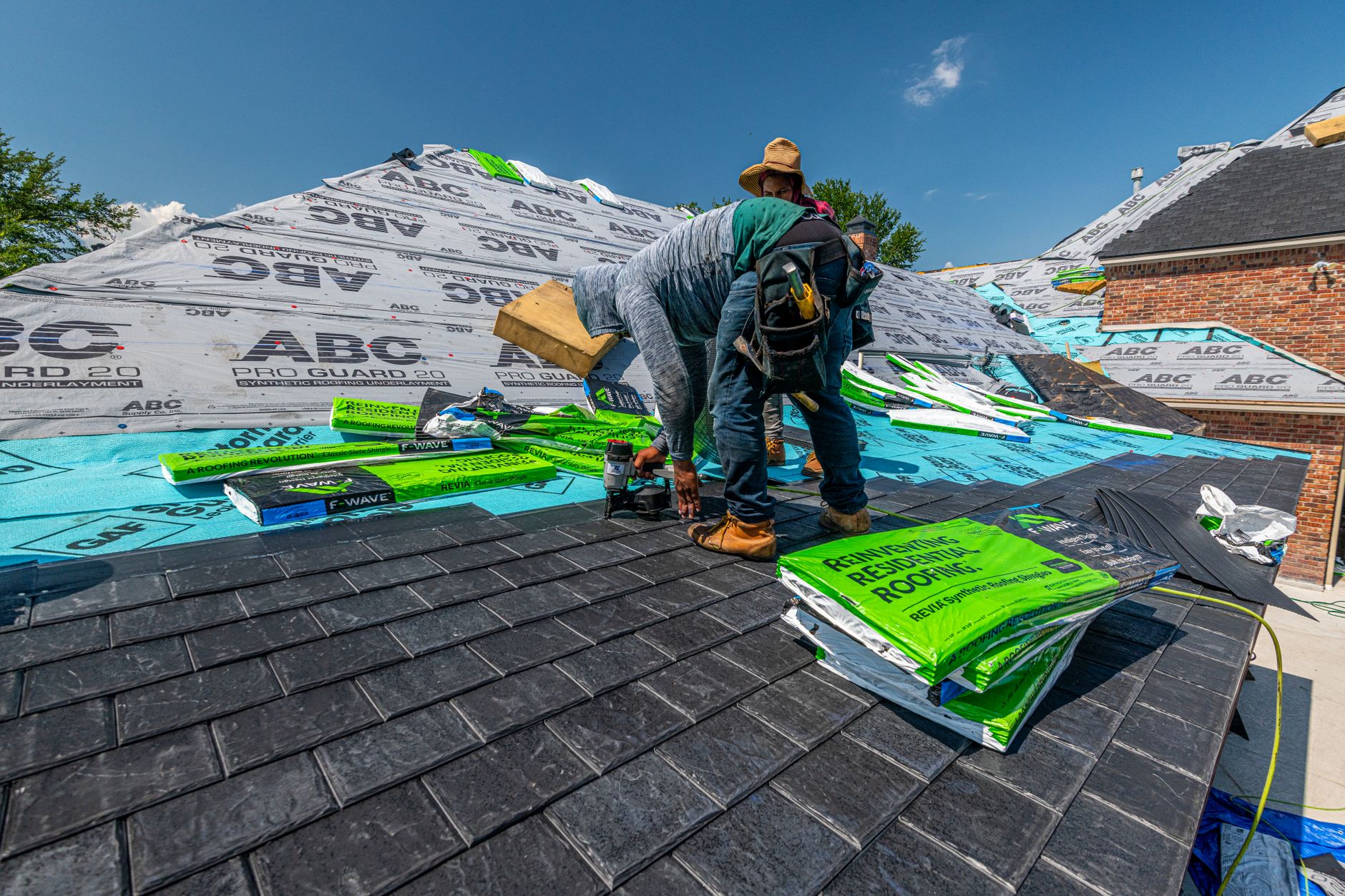
The services list should mirror the job types on the site: repair, full replacement, storm damage inspection, metal, low-slope commercial. Photos should be your roofs and crews: a tear-off in progress, new ridge cap, chimney flashing. The business name stays exactly as it is registered. Adding city or service words to it breaks Google's rules for profiles and invites a suspension at the worst possible time.
Roofing Google Maps ranking also has a hard limit: the profile ranks from its verified location and fades with distance. A roofer working dozens of towns will not hold the map pack in all of them from one pin, so map rankings carry the towns near the yard and organic pages carry the rest. After a storm, the map in hard-hit towns fills with listings using virtual offices or stuffed names, and we report those through Google's own channel.
Service-Area Pages a Swapped Town Name Would Break
Most roofing sites have town pages that are one paragraph with the name changed, and search engines treat the whole set as thin. The test we apply is simple: if the town name could be replaced and the page would still be true, it does not ship.
What makes a town page real is what the crew already knows. The age of the housing stock and what that means on the roof, from a subdivision of builder-grade shingles reaching the end of their life to older streets with cedar shake or layered tear-offs. Whether HOA approval is part of the job in certain neighborhoods. The fact that the permit process differs from one city to the next. Then the jobs: photos and a short note on roofs finished there, by neighborhood rather than customer name.
We start with towns where you already have finished jobs to show and add more as the work gives you something specific to say.
Roofing Contractor SEO Needs One Page per Job Type
A homeowner with a drip in the ceiling and a homeowner whose roof is past its life are running different searches, and one services page answers neither well enough to rank. Repair, full replacement, storm damage inspection, metal roofing and each specialty you take on, such as skylight leaks, chimney flashing or gutters, each get a page that answers the questions that buyer asks.
Commercial work belongs on its own branch. Property and facility managers search with different words, such as TPO, EPDM, modified bitumen, roof coatings and restoration versus replacement.
The storm damage page carries extra weight. It explains what hail and wind damage look like on shingles, vents and gutters, what an inspection involves and how to request one. It stays off claim advice. Insurers have their own process, and the page points the homeowner to the inspection, not to a coverage opinion.
Crawling and Indexing a Gallery-Heavy Roofing Site
Photos are where a roofing site's technical problems start. Full-size camera files load slowly on the phone a homeowner is holding in the yard. Gallery plugins often create a separate URL for every image with nothing on it but the photo, and those thin pages pile up in the index. We compress and size the images, keep gallery pages out of the index where they add nothing, and attach finished-job photos to the town and job-type pages where they help.
Storm pages are the second trap. Many roofers publish a new dated page after every event, and within a few seasons the site has a stack of near-identical storm posts competing with each other. We fold them into one evergreen storm damage page that stays indexed and gets updated with dates and affected areas after each event, so it keeps the links and history it has built.
The rest is housekeeping: every town and job page in the sitemap and linked from its parent, no orphaned pages, redirects for old URLs, RoofingContractor markup for the business, and Service markup on each job-type page.
Citations and the Sources AI Search for Roofing Draws On
If you hold a manufacturer credential, the manufacturer's contractor locator, such as GAF, Owens Corning or CertainTeed, is a listing worth getting right: correct name, current phone and a link to your site rather than a social page. Bing Places, Apple Maps, the BBB and the trade directories homeowners browse should all carry the same name, address and phone. Roofers often trip on an old number still painted on a truck or printed on yard signs from a previous name, and it ends up in directories that disagree with the profile. A quote in local storm coverage is a link a storm crew cannot buy.
The same consistency feeds AI search for roofing. Ask an assistant which roofers in a town are reputable and it builds the answer from profiles, directories and pages it trusts. Ask whether hail damage means a full replacement, whether a new roof can go over the old one or how metal compares with asphalt in your climate, and it quotes pages that answer directly. We structure those pages with a question as the heading, a plain answer underneath, what the crew checks on the roof and a visible last-reviewed date. A page that says "call for a free estimate" instead gives it nothing to cite.
Roofer SEO Reported by Town, Job Type and Storm
A single traffic number misleads a roofer more than most businesses. One hail event can multiply visits for a few weeks, and the report must not read that as the work paying off. So storm dates sit on the timeline, and each month is read against the season it belongs to.
The report keeps three things apart. Map positions across a grid of points over your service area, so you see which towns you hold and where another roofer shows first. Organic rankings for the town and job-type pages. Inspection and estimate requests from search, split by repair, replacement, storm and commercial, since a replacement request and a small repair are worth very different amounts to a roofing business.
Frequently Asked Questions
Should a roofing company hide its street address on its Google Business Profile?
If customers do not come to your office or yard, Google's guidelines ask for the address to be hidden and a service area set instead. The profile still ranks from its verified location, so towns farther out are reached with their own pages rather than with the profile alone.
Does a roofer need a separate page for every town in the service area?
No. Start with the towns where you have finished jobs to show and add towns as the work gives you something specific to say about them. A page that only swaps the town name tends to be ignored and can drag down the rest of the set.
Should a roofing site publish a new page after every hailstorm?
Usually not. Keep one storm damage page that is already indexed, update it with the date and the affected areas after each event, and let it keep the links and history it has built. Separate dated storm pages pile up and compete with each other.
How Roofer SEO Gets Built Across a Service Area

We Map Your Towns and Job Types
We check where your profile shows in the map pack town by town, which job types have their own pages, how your gallery and town pages are indexed, and where your listings disagree with each other. The findings come back as a town-by-town list of what is missing.

We Fix the Profile and the Pages
We set the service area and categories, structure town pages around finished jobs, separate repair, replacement, storm and commercial work, fold dated storm posts into one indexed page, add roofing contractor markup, and correct manufacturer locator and directory listings.

We Report by Town and by Storm
Each month you see map positions across a grid of your service area, rankings for town and job-type pages, and inspection and estimate requests from search by job type, with storm dates marked so a hail month is never read as steady growth.
What the Roofing Search Work Covers
Town grid
Map positions tracked across your service area
Job-type pages
Repair, replacement, storm and commercial kept apart
One storm page
Indexed early and updated after each event
Will Your Storm Page Rank Before the Next Hail?
Ask for a review of your Business Profile, town pages and storm page indexing, and see which towns in your service area show another roofer first.

Let's talk about your growth
Tell us about your business and we'll show you exactly where AI can win you more customers.